
Identify potential issues with tarmac driveways and preventive measures
A tarmac driveway, also known as an asphalt driveway, is a popular choice for many homeowners due to its durability, cost-effectiveness, and attractive appearance. However, like any other surface exposed to the elements and regular use, tarmac driveways are prone to certain issues over time. Understanding these common problems and taking proactive measures can significantly extend the lifespan and maintain the aesthetic appeal of your driveway. Here’s a comprehensive guide on the typical issues tarmac driveways face and practical tips on how to prevent them:
Cracking

Cracks are a common issue with tarmac driveways, stemming from weather changes, heavy vehicles, or poor installation practices. These fissures not only detract from the aesthetic appeal of your driveway but can also worsen over time if left unaddressed. To prevent cracking, start with a solid foundation by ensuring your driveway is installed by a reputable contractor using high-quality materials and proper techniques. Regular maintenance plays a crucial role; inspect your driveway periodically and fill any small cracks promptly with a suitable crack sealant. Additionally, applying a seal coating every few years adds an extra layer of protection against moisture penetration and UV damage, which helps extend the lifespan of your driveway and maintain its smooth appearance.
Potholes
Potholes, those troublesome depressions in the driveway surface, often develop due to water seepage and the freeze-thaw cycle, particularly in colder climates. Beyond being unsightly, these imperfections can pose safety hazards if neglected. Preventing potholes starts with ensuring effective drainage around your driveway to minimize water pooling. Promptly filling any small holes with appropriate asphalt patching material is essential to prevent them from expanding. Regular inspections are key; schedule an annual check to detect early signs of wear and tear. By addressing these issues promptly, you can maintain a safe and visually pleasing driveway surface for you and your family to enjoy year-round.
Fading and Discoloration
Over time, tarmac driveways can lose their original dark color and fade due to exposure to sunlight and harsh weather conditions. This natural process not only impacts the visual appeal of your driveway but can also signify deteriorating surface integrity. Preventing fading and discoloration requires proactive maintenance. Regularly applying a quality sealant helps protect the surface from UV rays and prevents moisture penetration, which can accelerate fading. Avoid using harsh chemicals or abrasive cleaners, as these can strip away the protective coating and hasten discoloration. By taking these simple steps, you can preserve the rich, dark hue of your tarmac driveway and enhance your home’s curb appeal for years to come.
Oil Stains
Oil stains from vehicle leaks are a common annoyance on tarmac driveways, leaving unsightly marks that can be challenging to remove. Taking swift action is crucial to prevent these stains from setting into the porous surface. Start by cleaning up oil spills as soon as they occur, using absorbent materials like cat litter or baking soda to soak up excess oil. For more stubborn stains, a gentle scrub with a mild detergent and warm water can help lift the oil without damaging the driveway’s surface. Regular maintenance and prompt cleanup ensure your driveway remains pristine and free from persistent oil blemishes, maintaining its visual appeal and functionality over time.
Weeds and Vegetation
Weeds and grass can infiltrate cracks in tarmac driveways, compromising both their appearance and structural integrity. Preventing vegetation growth requires proactive measures. Use a suitable weed killer or pull weeds by hand regularly to prevent them from taking root and spreading. Additionally, addressing cracks promptly with a suitable sealant not only prevents weed growth but also reinforces the driveway’s strength. By maintaining a weed-free driveway, you not only enhance its appearance but also minimize potential damage caused by invasive plant growth, ensuring a smooth and durable surface for years to come.
Poor Drainage
Improper drainage can lead to water pooling on tarmac driveways, potentially causing structural damage and aesthetic issues over time. To prevent drainage problems, ensure that gutters and downspouts are clear and direct water away from the driveway. A properly installed driveway should have a slight slope to facilitate water runoff and prevent pooling. Regular inspections after heavy rains can help identify any drainage issues early on. By maintaining good drainage practices, you can preserve the integrity of your driveway and prevent costly repairs down the road, ensuring a smooth and functional surface for your home.
Rutting
Rutting, the formation of depressions or grooves in the driveway surface, can occur due to heavy vehicle traffic or improper installation practices. These indentations not only detract from the appearance of your driveway but can also lead to water pooling and further damage. Preventing rutting starts with minimizing heavy vehicle traffic in the same areas of the driveway. Choose a reputable contractor who uses the appropriate thickness of asphalt for your driveway’s expected use. Regular maintenance, including filling in depressions promptly and applying sealant as needed, helps preserve the driveway’s smooth surface and structural integrity for years to come.
Surface Roughness
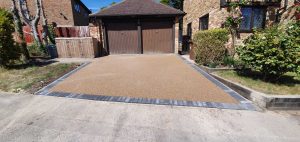
As tarmac driveways age, the surface can become rough and uneven, detracting from both its appearance and functionality. Preventing surface roughness requires regular maintenance and proactive measures. Promptly fill any cracks or holes that appear, using appropriate asphalt patching material to maintain a smooth surface. Periodically applying a sealant helps protect the driveway from weathering and UV damage, extending its lifespan. Consider resurfacing the driveway every decade or so to restore its smoothness and appearance. By addressing surface roughness early and maintaining a regular maintenance schedule, you can ensure your driveway remains an attractive and functional feature of your home.
Edge Crumbling
The edges of tarmac driveways are susceptible to crumbling and breaking down over time, especially if they lack proper support. Preventing edge crumbling starts with installing curbs or borders along the edges of the driveway to provide structural support and prevent erosion. Regular inspections and maintenance are crucial; check the edges of your driveway regularly and repair any signs of deterioration promptly. By addressing edge crumbling early on, you can prevent more extensive damage to your driveway and maintain its overall structural integrity and appearance for years to come.
Tree Root Damage
Tree roots can pose a significant threat to tarmac driveways, as they have the potential to grow underneath the surface, causing cracks and lifting. Preventing tree root damage begins with careful tree placement; avoid planting trees too close to the driveway. Installing root barriers along the edges of the driveway can also help prevent roots from spreading underneath. Regular inspections and maintenance are essential; keep an eye out for any signs of root intrusion and address them promptly to prevent further damage. By taking proactive measures to protect your driveway from tree root damage, you can ensure its longevity and minimize the need for costly repairs in the future.
By understanding these common issues and implementing proactive measures, you can extend the lifespan of your tarmac driveway while preserving its attractiveness and functionality. Regular maintenance, proper installation, and proactive care are essential for ensuring your driveway remains a durable and valuable feature of your home for years to come.
Conclusion
Maintaining a tarmac driveway involves understanding and addressing common issues proactively. By taking steps to prevent cracking, potholes, fading, and other problems discussed, homeowners can significantly prolong the life and attractiveness of their driveways. Regular inspections, prompt repairs, and the use of quality materials during installation are crucial for ensuring durability.
At Test Valley Driveways in Southampton, Hampshire, expertise is focused on ensuring driveways remain in optimal condition. Whether it’s through proper installation techniques, regular maintenance schedules, or recommending suitable sealants, their services aim to help homeowners avoid common tarmac driveway problems and keep driveways looking pristine for years to come. A driveway is more than just a pathway—it’s an investment in a home’s curb appeal and functionality. Trusting professionals like Test Valley Driveways ensures this investment is protected with professional care and attention to detail.




