
Design Tips for Gardens, Patios, and More
In today’s fast-paced world, our outdoor spaces have become more than just patches of greenery. They’ve evolved into extensions of our homes, serving as sanctuaries where we unwind, entertain guests, and connect with nature. Designing these areas isn’t just about aesthetics anymore; it’s about creating functional, livable spaces that enhance our quality of life. This is where landscaping plays a pivotal role.
Understanding the Essence of Landscaping
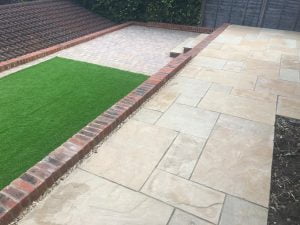
Landscaping embodies more than the superficial act of planting and paving; it encapsulates a holistic vision for outdoor spaces. It integrates elements that go beyond mere aesthetics, aiming to create cohesive environments that fulfill practical needs while blending seamlessly with nature. Whether you’re working with a vast backyard or a compact urban patio, effective landscaping transforms these areas into serene retreats tailored to your lifestyle.
By carefully considering layout, plant selection, hardscape features, and sustainability practices, landscaping achieves a harmonious balance between functionality and natural beauty. This approach not only enhances the visual appeal of your outdoor space but also fosters a deeper connection with the outdoors, enriching your daily life.
The Fundamentals of Functional Design
Purpose-driven Planning
Before diving into any landscaping project, it’s crucial to define the purpose of the space. Are you looking to create a tranquil garden for meditation, a vibrant playground for children, or an elegant entertainment area for hosting gatherings? Understanding the intended function will guide every aspect of your design, from plant selection to furniture placement.
Utilizing Outdoor Zones
Dividing your outdoor space into functional zones ensures that each area serves a distinct purpose while maintaining a cohesive overall design. Common zones include:
- Social Spaces: Areas designed for gatherings, equipped with seating, dining sets, and possibly a fire pit or outdoor kitchen.
- Relaxation Areas: Quiet corners with comfortable seating, hammocks, or loungers, ideal for reading, napping, or simply enjoying the outdoors.
- Activity Zones: Spaces dedicated to specific activities like gardening, yoga, or children’s play areas.
Creating Flow and Accessibility
Creating a seamless flow and ensuring accessibility are pivotal aspects of designing outdoor spaces that are both functional and inviting. A well-designed layout considers how people will move through and interact with the environment, enhancing usability and enjoyment. Pathways play a crucial role in this, acting as navigational aids that connect various zones within the landscape. Whether crafted from elegant paving stones or rustic gravel, pathways not only delineate different areas but also contribute to the overall aesthetic and structure of the space.
Equally important is accessibility, which ensures that everyone, regardless of mobility, can comfortably navigate the outdoor environment. Pathways should be thoughtfully designed with adequate width to accommodate wheelchairs and strollers, and their surfaces should be level and slip-resistant for safety. By prioritizing flow and accessibility in your landscaping design, you create a welcoming atmosphere that encourages exploration and fosters a deeper connection with nature for all who visit your outdoor sanctuary.
Elements of Effective Landscaping
Plant Selection and Greenery
Plants form the backbone of any landscape design, offering beauty, texture, and often functionality. When choosing plants, consider factors such as:
- Climate Compatibility: Opt for species that thrive in your local climate and soil conditions to ensure long-term health and minimal maintenance.
- Seasonal Interest: Select a mix of plants that provide year-round visual interest, from evergreen shrubs to flowering perennials and ornamental grasses.
- Functional Benefits: Incorporate plants that serve practical purposes, such as providing shade, attracting pollinators, or acting as natural barriers for privacy.
Hardscaping and Structures
Hardscaping elements like patios, decks, pergolas, and retaining walls add structure and functionality to outdoor spaces. When integrating these features:
- Material Selection: Choose materials that complement your home’s architecture and landscape design while offering durability and ease of maintenance.
- Scale and Proportion: Ensure that hardscape elements are proportionate to the size of your outdoor space, creating a balanced visual aesthetic.
- Integration with Nature: Blend hardscaping seamlessly with greenery to soften harsh lines and create a more organic feel.
Water Features and Lighting
Water features such as ponds, fountains, or even simple birdbaths can add a soothing ambiance to outdoor spaces, while proper lighting extends usability into the evening hours. Consider:
- Aesthetic Appeal: Water features should harmonize with the overall design theme, enhancing rather than overpowering the landscape.
- Energy Efficiency: Opt for LED lighting options that provide ample illumination without consuming excessive energy.
- Safety and Security: Strategically placed lighting not only enhances aesthetics but also ensures safe navigation after dark.
Sustainable Landscaping Practices
Incorporating sustainable practices into your landscaping not only benefits the environment but also reduces long-term maintenance costs. Key principles include:
- Water Conservation: Utilize drip irrigation systems, rain barrels, and drought-tolerant plants to minimize water usage.
- Native Plants: Choose native species that are adapted to local conditions, requiring less water, fertilizer, and pesticides.
- Soil Health: Maintain soil fertility through composting and mulching to support plant growth and reduce erosion.
Designing for Every Season
A well-designed outdoor space should be enjoyable year-round, adapting to seasonal changes and providing interest in every season:
- Spring: Focus on blooming flowers, fresh growth, and vibrant colors.
- Summer: Incorporate shade structures, cooling plants, and outdoor cooling solutions.
- Fall: Highlight foliage colors, harvest themes, and cozy outdoor seating.
- Winter: Integrate evergreen plants, outdoor heaters, and festive lighting for warmth and ambiance.
Maintenance and Longevity
Finally, maintaining your landscaped outdoor space ensures its longevity and continued enjoyment. Regular tasks include:
- Pruning and Trimming: Keep plants tidy and promote healthy growth.
- Weeding: Control weed growth to prevent competition with desired plants.
The Role of Plants and Hardscape: Essential Elements in Landscape Design
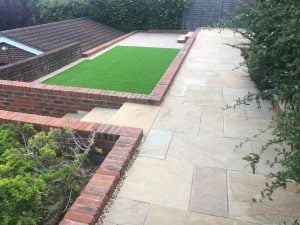
Plants and hardscape are fundamental components that define the character and functionality of any landscape design. Plants, with their diversity of colors, textures, and forms, serve both aesthetic and practical purposes. They provide visual interest throughout the seasons, attract beneficial wildlife like pollinators, and can even contribute to energy efficiency by providing shade and insulation. Selecting the right plants involves considering factors such as local climate, soil conditions, and desired maintenance levels to ensure their long-term health and vitality within your landscape.
Equally important are hardscape elements, which include structures like patios, decks, pathways, and retaining walls. These features not only add structural integrity but also enhance usability and define different areas within your outdoor space. Choosing appropriate materials and designs that complement the overall theme of your landscape is crucial. Integrating hardscape with plants creates a harmonious balance between soft and hard elements, ensuring a cohesive and visually appealing outdoor environment that meets your functional and aesthetic goals.
Sustainable Practices: Enhancing Your Outdoor Environment Responsibly
Incorporating sustainable practices into landscape design is essential for reducing environmental impact while maintaining the beauty and functionality of outdoor spaces. Water conservation plays a significant role, achieved through methods such as drip irrigation, rainwater harvesting, and choosing drought-tolerant plants. By minimizing water use, you not only save resources but also promote healthier plants that require less maintenance. Utilizing native plants is another sustainable practice, as they are naturally adapted to local conditions, requiring less water, fertilizer, and pesticides compared to non-native species.
Furthermore, enhancing soil health through composting and mulching supports plant growth and reduces erosion, fostering a resilient landscape. Sustainable landscaping also extends to hardscape choices, where materials should be selected for durability, recyclability, and energy efficiency. Implementing these practices not only benefits the environment but also creates a more resilient and cost-effective outdoor space that enhances your enjoyment and connection with nature year-round.
Seasons in the Garden: Adapting Your Landscape Year-Round
A well-designed garden evolves gracefully with the changing seasons, offering something unique and beautiful throughout the year. In spring, the garden bursts with vibrant blooms and fresh greenery, signaling renewal and growth. Summer brings an explosion of colors and scents, with gardens thriving under the warmth of the sun. It’s a time for outdoor gatherings and enjoying the fruits of your gardening labor.
As temperatures cool in fall, foliage takes center stage with hues of red, orange, and gold painting the landscape. It’s a season for harvests and preparing the garden for the coming winter months. Winter may seem dormant, but a thoughtfully designed garden still holds beauty. Evergreen plants provide structure and interest, while careful lighting and hardscape features can create a cozy and inviting atmosphere even in the coldest months. By embracing the unique characteristics of each season, your garden becomes a dynamic and ever-changing canvas that enhances your outdoor living experience year-round.
Conclusion
Creating functional outdoor spaces through thoughtful landscaping is not just about aesthetics; it’s about enhancing your lifestyle and connection with nature. By integrating essential elements like plants and hardscape features while embracing sustainable practices and adapting to the changing seasons, you can transform your outdoor environment into a harmonious sanctuary. Whether you’re in Southampton, Hampshire, or anywhere else, landscaping with purpose adds value to your property and enriches your daily life. Let your outdoor space by Test Valley Driveways in Southampton be a reflection of your vision and a place where beauty meets functionality seamlessly.