
Sustainable Choices for Decorative Surfaces
In the realm of construction and landscaping, the pursuit of sustainability has become increasingly crucial. As environmental awareness grows, so does the demand for eco-friendly building materials and techniques. Pattern imprint concrete, a popular choice for driveways, walkways, and patios, is no exception. This article explores the various eco-friendly options available in pattern imprint concrete, highlighting their benefits, considerations, and impact on the environment.
Understanding Pattern Imprint Concrete
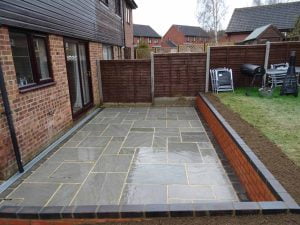
Pattern imprint concrete, also known as stamped concrete, is a method used to create textures and patterns that mimic materials like brick, slate, or stone on concrete surfaces. It involves pressing molds or stamps into freshly poured concrete to create decorative effects. This technique not only enhances the visual appeal of concrete but also improves its durability and longevity.
Traditionally, pattern imprint concrete has been criticized for its environmental impact due to the energy-intensive process of producing cement, a key component of concrete. However, advancements in technology and a growing focus on sustainability have paved the way for eco-friendly alternatives.
Eco-Friendly Concrete: A Green Revolution
The push towards sustainability has led to the development of eco-friendly concrete options that aim to reduce carbon footprint and environmental impact. Here are some notable alternatives:
Recycled Aggregate Concrete
Recycled aggregate concrete incorporates recycled materials such as crushed concrete, glass, and ceramics into the mix. By using recycled aggregates instead of virgin materials, this concrete reduces the demand for natural resources and diverts waste from landfills. It maintains the performance and aesthetic qualities of traditional concrete while significantly lowering its environmental footprint.
Fly Ash Concrete
Fly ash, a byproduct of coal combustion, can be used as a partial replacement for cement in concrete production. By substituting cement with fly ash, which would otherwise be disposed of in landfills, this concrete reduces greenhouse gas emissions and conserves natural resources. It also enhances concrete workability and improves long-term durability.
Geopolymer Concrete
Geopolymer concrete is a cement less concrete that utilizes industrial byproducts such as fly ash, slag, or rice husk ash. It relies on alkali-activated materials to bind aggregates together, eliminating the need for traditional cement production. Geopolymer concrete offers comparable or superior performance to conventional concrete in terms of strength, durability, and resistance to chemicals and fire.
High-Performance Concrete
High-performance concrete (HPC) is engineered to achieve exceptional strength, durability, and sustainability. By optimizing mix designs and using advanced admixtures, HPC reduces the amount of cement required while enhancing performance characteristics. This results in a more sustainable concrete option that minimizes environmental impact without compromising on quality.
Benefits of Eco-Friendly Pattern Imprint Concrete
Choosing eco-friendly pattern imprint concrete offers several benefits beyond sustainability:
Aesthetic Versatility
Eco-friendly pattern imprint concrete allows for a wide range of designs and textures that can mimic natural materials such as stone, brick, or wood. This versatility enhances the aesthetic appeal of driveways, walkways, and patios, providing homeowners and builders with creative options to complement their landscaping and architectural styles.
Durability and Longevity
Eco-friendly pattern imprint concrete is engineered to be highly durable and resistant to wear and tear. It can withstand heavy foot traffic, vehicular loads, and weather fluctuations better than traditional materials. This durability ensures a longer lifespan and reduces the need for frequent repairs or replacements, saving both time and money over the years.
Low Maintenance
Compared to natural materials like stone or wood, eco-friendly pattern imprint concrete requires minimal maintenance. It does not need to be sealed as frequently and is less prone to cracking, shifting, or weed growth. This low-maintenance feature translates into less time spent on upkeep and fewer resources used for maintenance activities.
Environmental Impact
By utilizing recycled materials or alternative binders, eco-friendly pattern imprint concrete helps reduce the demand for natural resources and minimizes waste generation. It lowers carbon emissions associated with traditional concrete production, contributing to a smaller environmental footprint overall. Choosing these materials supports sustainable building practices and aligns with environmental regulations and certifications.
Cost-Effectiveness
While initial costs for eco-friendly pattern imprint concrete may vary depending on factors like design complexity and local availability, it often proves to be cost-effective over its lifespan. The durability and low maintenance requirements result in fewer repair and replacement expenses. Additionally, potential savings on energy bills due to the material’s thermal properties can further enhance its cost-effectiveness.
Considerations for Implementation
While eco-friendly pattern imprint concrete presents numerous advantages, several considerations should be taken into account during planning and implementation:
- Local Availability: Availability of materials and technologies may vary by region, influencing the feasibility and cost-effectiveness of eco-friendly options.
- Project Requirements: Consider the specific requirements of your project, such as load-bearing capacity, aesthetic preferences, and environmental regulations, when selecting concrete alternatives.
- Lifecycle Assessment: Conduct a lifecycle assessment to evaluate the environmental impact of different concrete options from production to disposal, considering factors like embodied energy and greenhouse gas emissions.
- Certifications and Standards: Look for certifications such as LEED (Leadership in Energy and Environmental Design) or Green Star that validate the sustainability credentials of concrete products and construction practices.
Enhancing Sustainability with Pattern Imprint Concrete:
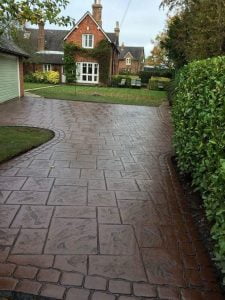
In today’s construction landscape, enhancing sustainability is paramount, and pattern imprint concrete offers a compelling solution. By integrating eco-friendly practices into concrete design, such as using recycled aggregates or minimizing cement content, builders can significantly reduce environmental impact. These practices not only conserve natural resources but also lower carbon emissions associated with traditional concrete production. Sustainable pattern imprint concrete ensures durability and resilience, capable of withstanding diverse weather conditions and heavy use over time. Moreover, by choosing sustainable options, homeowners and developers contribute to a greener future without compromising on aesthetic appeal or structural integrity.
Investing in sustainable pattern imprint concrete goes beyond meeting regulatory standards; it embodies a commitment to responsible construction practices. It sets a precedent for eco-conscious building methods that prioritize longevity, performance, and environmental stewardship. As demand grows for sustainable building materials, pattern imprint concrete stands out for its ability to merge functionality with sustainability, offering a versatile solution for modern infrastructure needs.
Sustainable Patterns in Concrete Imprinting
Patterns in concrete imprinting not only enhance visual appeal but also play a crucial role in promoting sustainability. By opting for eco-friendly patterns, which can replicate the look and texture of natural materials using recycled aggregates or innovative binders, builders reduce their ecological footprint. These patterns allow for creative designs that blend seamlessly with surrounding landscapes, enriching outdoor spaces while minimizing environmental impact. Sustainable patterns in concrete imprinting are designed to withstand the test of time, offering durability and low maintenance requirements.
Incorporating sustainable patterns involves thoughtful planning and selection of materials that meet sustainability criteria without compromising on quality or design flexibility. From intricate textures resembling cobblestone to rustic wood finishes, the variety of sustainable patterns available ensures that every project can achieve its aesthetic and environmental goals. By embracing sustainable patterns in concrete imprinting, builders contribute to a more resilient built environment that harmonizes with nature and supports long-term sustainability goals.
Eco-Friendly Patterns for Concrete Design
Choosing eco-friendly patterns for concrete design opens up a world of possibilities for environmentally conscious construction. These patterns utilize recycled materials and eco-friendly binders to create textures and motifs that emulate natural stones, bricks, or tiles. By reducing the reliance on traditional cement and incorporating recycled aggregates, eco-friendly patterns minimize carbon footprint and resource depletion. This approach not only enhances the aesthetic appeal of driveways, walkways, and patios but also supports sustainable building practices.
Eco-friendly patterns for concrete design prioritize durability and performance, ensuring longevity and resilience in various environmental conditions. They offer homeowners and developers the opportunity to create distinctive outdoor spaces that reflect both personal style and environmental responsibility. By embracing these patterns, builders contribute to a greener construction industry while setting a standard for sustainable design innovation.
Conclusion
The examination of eco-friendly pattern imprint concrete options highlights their crucial role in promoting sustainable construction practices. At Test Valley Driveways in Southampton, Hampshire, the significance of integrating environmentally responsible choices into projects is clear. From enhancing sustainability with durable, low-maintenance solutions to promoting eco-conscious patterns in concrete imprinting, the commitment extends beyond mere aesthetics to environmental stewardship. By leveraging recycled materials and innovative technologies, regulatory standards are not only met but also contribute to a greener future. Choosing eco-friendly pattern imprint concrete is pivotal in building a sustainable legacy that benefits both communities and the planet for generations to come.




