
Which Is the Best Choice for Your Home?
When it comes to choosing the right type of concrete for your construction or landscaping project, you may find yourself weighing the pros and cons of various options. Two popular choices often considered are pattern imprint concrete and traditional concrete. Each has its own set of characteristics, advantages, and potential drawbacks, making it crucial to understand their differences before making a decision. In this comprehensive guide, we’ll delve into the specifics of pattern imprint concrete and traditional concrete, exploring their applications, benefits, costs, and more, to help you determine which option suits your needs best.
What is Pattern Imprint Concrete?
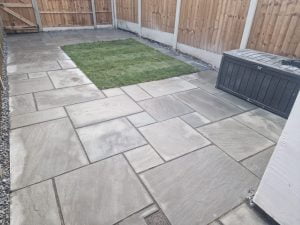
Pattern imprint concrete, commonly referred to as stamped concrete, is a versatile and aesthetically pleasing option in the realm of construction and landscaping. It enhances the appearance of outdoor spaces by replicating the look of various natural materials such as brick, slate, stone, or tile. This decorative effect is achieved by imprinting intricate patterns and textures onto the surface of freshly poured concrete while it is still in its plastic state. The process involves using specialized stamps that come in a variety of designs, allowing for customization to suit different architectural styles and preferences. This makes pattern imprint concrete a favored choice for both residential and commercial projects seeking to combine durability with visual appeal.
Ideal for applications like patios, driveways, walkways, and pool decks, pattern imprint concrete offers homeowners and designers the ability to create unique and sophisticated outdoor environments. It provides a cost-effective alternative to traditional paving materials while delivering long-lasting performance and low maintenance requirements. With its ability to mimic expensive materials at a fraction of the cost, pattern imprint concrete continues to be a popular option for transforming ordinary concrete into extraordinary outdoor living spaces.
How is Pattern Imprint Concrete Installed?
The installation process of pattern imprint concrete involves several key steps:
Base Preparation
The area where the concrete will be poured is carefully prepared by ensuring a stable and level base. This typically involves excavation, grading, and possibly the addition of a base material such as gravel.
Concrete Pouring
Once the base is ready, a concrete mix is poured onto the prepared area. This concrete is specially formulated to be workable enough for stamping but durable once cured.
- Stamping: While the concrete is still in its plastic state (pliable but not fully set), patterns and textures are stamped onto the surface using specialized stamps. These stamps come in various designs to create the desired aesthetic, whether it’s a cobblestone pathway or a wooden plank patio.
- Coloring and Sealing: To enhance the appearance of the pattern imprint concrete, color can be added either integrally (mixed into the concrete) or topically (applied after stamping). Once the color is applied and has dried, a sealant is used to protect the surface from stains and enhance durability.
Benefits of Pattern Imprint Concrete
Aesthetic Versatility
Pattern imprint concrete allows for a wide range of design possibilities, mimicking the appearance of natural materials such as brick, slate, stone, or tile. This versatility enables homeowners and designers to achieve the desired aesthetic without the high cost associated with using traditional materials.
Enhanced Durability
When properly installed and maintained, pattern imprint concrete is highly durable and can withstand heavy foot traffic and weather exposure. The stamped patterns and textures add an extra layer of strength to the surface, making it more resistant to cracking and abrasion compared to plain concrete.
Low Maintenance
Unlike traditional paving materials like bricks or stones, pattern imprint concrete requires minimal maintenance. Regular sweeping and occasional washing with water are typically sufficient to keep the surface clean. Additionally, periodic resealing every few years helps maintain the color vibrancy and protect against stains and UV damage.
Cost-Effectiveness
Pattern imprint concrete offers a cost-effective alternative to natural stone or brick, providing comparable aesthetic appeal at a lower installation cost. By eliminating the need for individually laid pavers or stones, it reduces labor costs and installation time, making it an economical choice for both residential and commercial projects.
Customization Options
With a variety of patterns, colors, and textures available, pattern imprint concrete offers extensive customization options. Homeowners can choose from a range of designs to complement their existing architecture or landscape design, creating unique and personalized outdoor spaces.
Non-Slip Surface
The textured surface of pattern imprint concrete provides excellent traction, making it a safe option for areas such as pool decks, patios, and walkways. The stamped patterns not only enhance aesthetics but also improve grip underfoot, reducing the risk of slips and falls.
Quick Installation
Compared to laying individual pavers or stones, installing pattern imprint concrete is a faster process. Once the base preparation is complete and the concrete is poured and stamped, it cures relatively quickly, allowing for quicker access to the newly paved area.
Longevity
Pattern imprint concrete is designed to be durable and long-lasting. With proper installation and maintenance, it can maintain its appearance and structural integrity for many years, providing a reliable surface for outdoor living and entertainment areas.
What is Traditional Concrete?

Traditional concrete, often referred to simply as plain or uncolored concrete, is a foundational material in construction renowned for its robustness and reliability. It is composed of a mixture of cement, water, aggregate (such as sand or gravel), and sometimes additives to enhance specific properties like workability or strength. Unlike decorative concrete options such as pattern imprint or stamped concrete, traditional concrete is poured and cured without any embellishments or surface treatments. This straightforward approach emphasizes its utilitarian qualities, making it ideal for applications where functionality and structural integrity are paramount.
Due to its strength and durability, traditional concrete finds extensive use in a variety of construction projects. It forms the base for buildings, bridges, roads, and infrastructure due to its ability to bear heavy loads and withstand harsh environmental conditions. Its versatility extends to utility installations such as foundations, retaining walls, and pavements, where its stability and longevity ensure long-term performance. While traditional concrete may not offer the aesthetic appeal of decorative alternatives, its reliability and cost-effectiveness make it an essential component in modern construction practices.
How is Traditional Concrete Used?
Traditional concrete finds extensive use across diverse construction applications due to its versatility and strength. Primarily, it serves as the foundational material for residential, commercial, and industrial buildings, providing a stable base that supports the entire structure. In infrastructure projects, such as bridges, highways, and tunnels, traditional concrete is crucial for its ability to withstand heavy loads and harsh environmental conditions over extended periods.
Beyond structural applications, traditional concrete is indispensable in creating durable and functional surfaces. It is commonly used in the construction of pavements, sidewalks, driveways, and parking lots, where its durability and abrasion resistance ensure longevity and minimal maintenance. Moreover, traditional concrete plays a pivotal role in utility installations, supporting the secure placement of utility poles, street lights, and other essential infrastructure elements. Its widespread application underscores its importance as a foundational material in modern construction, contributing to the longevity and resilience of built environments worldwide.
Benefits of Traditional Concrete
Traditional concrete offers several benefits:
- Strength and Durability: Known for its ability to withstand heavy loads and harsh weather conditions.
- Affordability: Generally more cost-effective compared to specialized decorative concrete options like pattern imprint or stamped concrete.
- Versatility: Can be used in various construction applications due to its adaptability and structural properties.
- Low Maintenance: Requires minimal upkeep once properly installed.
Conclusion
The choice between pattern imprint concrete and traditional concrete hinges on specific project requirements and preferences. Pattern imprint concrete stands out for its aesthetic versatility, offering a wide range of designs mimicking natural materials at a fraction of the cost. It’s ideal for enhancing residential and commercial landscapes with durable, low-maintenance surfaces. In contrast, traditional concrete excels in structural applications where strength and functionality are paramount, ensuring longevity and cost-effectiveness. Whether opting for the decorative charm of pattern imprint concrete from Test Valley Driveways in Southampton, Hampshire, or the robust reliability of traditional concrete, both options provide durable solutions tailored to diverse construction and landscaping needs.