
The debate around resin bound vs resin bonded comes up almost every time someone starts planning a new driveway. From a distance, the two can look similar. But once you scratch the surface, they are very different products with different performance, different lifespans, and different price points. Choosing the wrong one could mean paying twice.
This guide walks you through the real differences between the two systems. No jargon, no fluff. Just the information you need to make the right call for your home and your budget.
How the Two Systems Actually Work
Both resin bound and resin bonded driveways use a combination of natural stone aggregate and resin. The difference is in how they are mixed and applied, and that changes everything about how the surface performs.
How Resin Bound Works
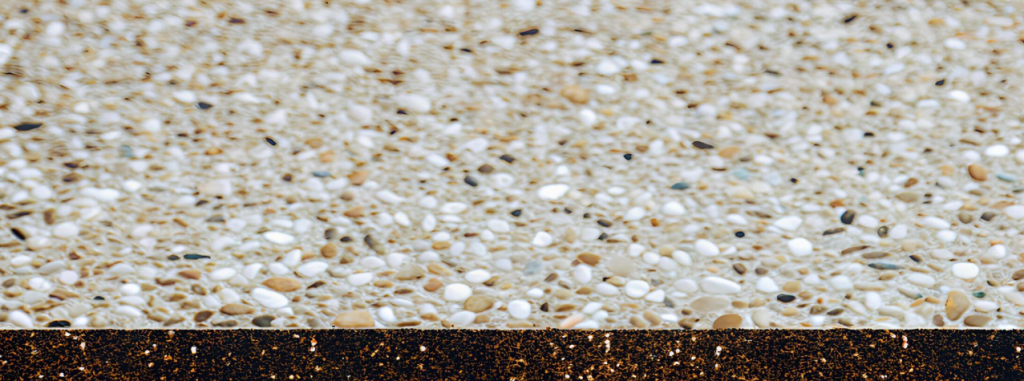
With a resin bound system, the aggregate stones are fully coated in resin before being hand-trowelled onto a prepared base. Every stone is wrapped and locked in place, creating a smooth, seamless, slip-resistant surface.
Because the stones are evenly distributed and set within the resin, there are tiny gaps between them. These gaps allow water to pass through the surface, making it permeable. This is why resin bound driveways are SUDS-compliant and classed as an eco-friendly surfacing solution.
How Resin Bonded Works
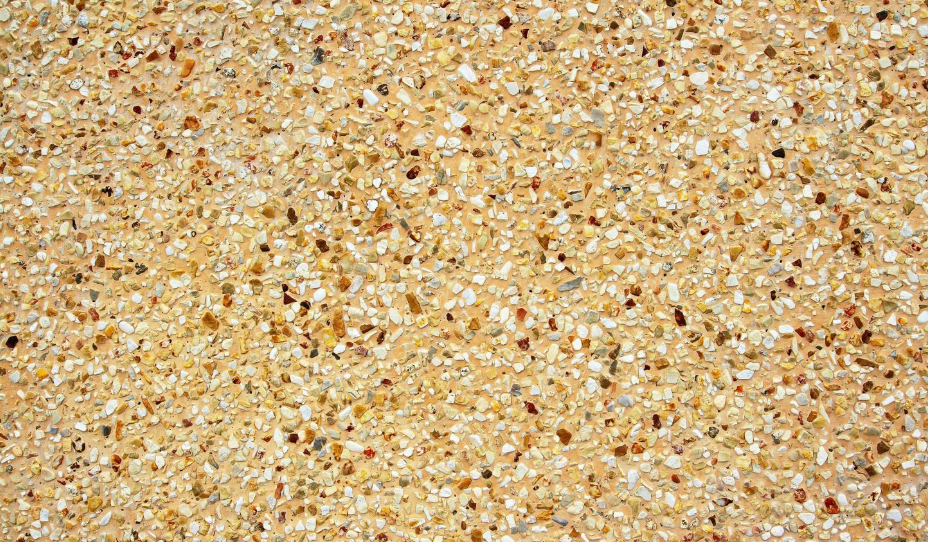
Resin bonded takes a different approach. A layer of resin is spread onto the base surface first, and then loose aggregate stones are scattered on top. The stones stick to the resin but only on their bottom face.
The result looks textured and natural, similar to loose gravel, but the surface is not permeable because the resin layer underneath blocks water from draining through. If you are weighing up surface options for a new project, the guide on how to choose materials breaks down the strengths of each type.
Drainage and Planning Permission
This is one of the biggest practical differences between resin bound vs resin bonded, and it catches a lot of homeowners off guard.
Resin bound surfaces are fully permeable. Rainwater drains straight through into the ground below, which reduces surface runoff and the risk of flooding. This means resin bound driveways typically do not need planning permission, even on front gardens over five square metres.
They also meet SUDS requirements, which is an important consideration in areas with heavy rainfall. The article on proper drainage explains why this matters so much for the longevity of any driveway surface.
Resin bonded surfaces are not permeable. Water sits on top and runs off to the sides, which means you may need planning permission if the driveway exceeds five square metres at the front of your property. You may also need to install additional drainage channels to manage the water runoff, which adds cost and complexity.
Durability and Lifespan
When it comes to how long each system lasts, resin bound has a clear advantage.
A properly installed resin bound driveway can last 15 to 25 years. The stones are fully encased in resin, so they do not come loose under foot traffic or vehicle use. The surface is resistant to cracking and fading, even after prolonged exposure to UV light and harsh weather.
Resin bonded surfaces tend to have a shorter lifespan. Because the stones are only stuck to the surface of the resin rather than embedded in it, they can shed over time. Loose stones end up in flower beds, on paths, and in the street.
High foot traffic and vehicle use speed this process up. Most resin bonded surfaces last around 5 to 8 years before they start looking tired and patchy.
That difference in longevity is worth factoring into the cost, because replacing a bonded surface sooner means spending again. If you want to understand how general upkeep affects surface life, the tips on seasonal maintenance are worth a look.
Maintenance and Upkeep
On the maintenance front, resin bound is again the easier option. The smooth, seamless surface does not have joints or gaps where weeds can grow. A quick sweep and an occasional rinse with a hose is all it takes. Moss and algae are less likely to take hold because water drains through rather than sitting on top.
Resin bonded surfaces need more attention. Loose stones require periodic topping up, and because water does not drain through, the surface can become slippery with algae and moss.
Cleaning needs to be done more carefully too, since pressure washing can dislodge the stones. For context on how different driveway types compare in terms of ongoing care, the guide on block paving maintenance shows what regular upkeep looks like for another popular surface.
Cost Comparison
Here is where things get interesting. Resin bonded is cheaper upfront, typically costing between £25 and £45 per square metre. Resin bound is higher, usually sitting between £40 and £70 per square metre. So on paper, bonded looks like the budget-friendly option.
But the full picture tells a different story. Resin bonded surfaces need replacing sooner, often within 5 to 8 years. They may also require extra drainage work and more frequent maintenance. Resin bound driveways last significantly longer, need almost no upkeep, and avoid the ongoing cost of loose stone replacement.
Over a 15 to 20 period, resin bound typically works out cheaper when you factor in replacement costs, maintenance, and the value it adds to your property. It is also the system preferred by accredited installers registered with Checkatrade, the Guild of Master Craftsmen, and the Federation of Master Builders.
Appearance and Finish
Both systems look good when freshly laid, but they age very differently.
Resin bound creates a smooth, flat finish with a consistent look across the entire surface. It is available in a wide range of colours, blends, and textures, allowing you to create a bespoke design that complements your property. The finish stays even and uniform for years because every stone is locked in position.
Resin bonded has a rougher, more textured appearance that looks closer to loose gravel. Some homeowners prefer this natural look. However, as stones shed over time, bare patches begin to show. The colour can also fade unevenly since the stones sit on the surface rather than being protected within the resin.
If your priority is understanding which surfaces provide the best visual and practical return, the guide on enhancing functionality covers how the right surface lifts a property overall.
Which Should You Choose?
For most driveways, resin bound is the stronger choice. It drains properly, lasts longer, looks better with age, and needs almost no maintenance. It meets SUDS regulations, resists cracking and fading, and does not shed stones.
Resin bonded can work for small decorative areas where drainage and heavy traffic are not concerns, like a garden path or a feature border. But for a full driveway that sees daily vehicle use, it simply does not hold up as well.
If you are getting quotes, always confirm which system is being offered. Some installers use the terms loosely, and there is a big difference between the two when it comes to what you get for your money. Knowing what to expect during installation also helps you spot the difference on site.
For homeowners across Southampton, Winchester, Salisbury, and the wider Hampshire area, testvalleydrivewayslimited.com specialises in resin bound installations with over 15 years of experience and all work backed by an insurance-backed 10-year guarantee.
Frequently Asked Questions (FAQs)
1. What Is the Main Difference Between Resin Bound and Resin Bonded?
Resin bound mixes the stones with resin before laying, creating a smooth, permeable surface. Resin bonded spreads resin onto the base first and scatters loose stones on top. The key difference is that resin bound drains water through and holds its stones in place, while resin bonded does not.
2. Which System Lasts Longer?
Resin bound driveways typically last 15 to 25 years with minimal maintenance. Resin bonded surfaces tend to last around 5 to 8 years before stones begin to shed and the surface starts looking worn. The difference in durability makes resin bound the better long-term investment.
3. Do You Need Planning Permission for Either Option?
Resin bound surfaces are permeable and usually fall under permitted development rights without needing planning permission. Resin bonded is not permeable, so you may need planning approval if the driveway covers more than five square metres at the front of your property.
4. Can Both Systems Be Laid Over an Existing Surface?
Both can be applied over a sound concrete or tarmac base. However, for resin bound to perform properly as a permeable surface, the base underneath should also allow water to pass through. A professional installer will assess the condition of your existing surface before recommending the best approach.
5. Is Resin Bonded Cheaper Than Resin Bound?
Resin bonded costs less upfront, typically £25 to £45 per square metre versus £40 to £70 for resin bound. But because bonded surfaces need replacing sooner and require more upkeep, resin bound usually costs less over the lifetime of the driveway.
Understanding the real differences when comparing resin bound vs resin bonded helps you avoid costly mistakes and choose a surface that genuinely performs for the long term.