

Which driveway option offers better durability and value: resin or traditional paving?
When it comes to home improvement, particularly enhancing the exterior aesthetics and functionality of your property, the driveway plays a significant role. It’s not just the first thing people see; it’s also a crucial functional aspect of your home. Over the years, two prominent choices have emerged: resin driveways and traditional paving. Each comes with its unique set of advantages and drawbacks. In this comprehensive analysis, let’s dive into the nitty-gritty of resin driveways and traditional paving, comparing them on various fronts to help you make an informed decision for your next driveway project.
What are Resin Driveways?
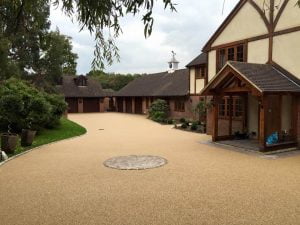
Resin driveways are a relatively new innovation in the world of home improvement. They are created by mixing resin with aggregates (such as gravel, marble, or recycled materials) to form a durable, flexible, and aesthetically pleasing surface. There are two types of resin driveways: resin-bound and resin-bonded.
- Resin-Bound Driveways: In this method, the aggregates are mixed with resin before being laid on the surface. This creates a smooth, permeable finish that allows water to drain through.
- Resin-Bonded Driveways: Here, the resin is spread on the surface first, and then the aggregates are scattered on top. This results in a rougher, more textured finish that isn’t permeable.
What is Traditional Paving?
Traditional paving, on the other hand, refers to a variety of established methods used for creating driveways. The most common types include:
- Asphalt: A mixture of bitumen (a type of binder) and aggregates. It’s known for its durability and smooth finish.
- Concrete: Made from cement, water, and aggregates. It’s versatile and can be stamped, colored, or textured.
- Gravel: Loose stones that are spread over a prepared surface. It’s a budget-friendly option but requires regular maintenance.
- Block Paving: Small blocks or bricks made from concrete, clay, or stone, arranged in patterns. It’s aesthetically pleasing and allows for easy repairs.
Aesthetic Appeal
Resin Driveways
Resin driveways are a designer’s dream. They offer a wide range of customization options, from color to texture. Whether you’re aiming for a modern look or something more traditional, resin can be tailored to fit your vision. The smooth, seamless finish of a resin-bound driveway adds a touch of elegance and can enhance the curb appeal of any property. Plus, the variety of aggregate materials available means you can create a unique look that stands out.
Traditional Paving
Traditional paving also offers a variety of aesthetic options, but the level of customization can depend on the material chosen. Block paving is particularly versatile, allowing for intricate patterns and a range of colors. Concrete can be stamped or colored to mimic other materials, like stone or brick. Asphalt and gravel, while more limited in design options, can still provide a clean and classic look. However, traditional paving often lacks the seamless appearance that resin driveways boast.
Durability and Longevity
Resin Driveways
Resin driveways are known for their durability. The combination of resin and aggregates creates a surface that can withstand heavy traffic and harsh weather conditions. Resin-bound driveways, in particular, are permeable, which means they allow water to drain through, reducing the risk of flooding and damage from freeze-thaw cycles. With proper installation and maintenance, a resin driveway can last anywhere from 15 to 25 years.
Traditional Paving
The durability of traditional paving materials varies widely. Asphalt driveways can last around 20 years with proper maintenance, but they can be prone to cracks and potholes over time. Concrete driveways are incredibly durable and can last up to 30 years, but they are susceptible to cracking and may require sealing to prevent damage from water and chemicals. Gravel driveways have the shortest lifespan, typically needing replenishment every few years. Block paving offers a good balance, with a lifespan of around 20 years, and individual blocks can be replaced if damaged.
Maintenance Requirements
Resin Driveways
One of the significant advantages of resin driveways is their low maintenance. The permeable nature of resin-bound driveways reduces the risk of weeds and puddles, and the smooth surface is easy to clean. Regular sweeping and occasional power washing are usually sufficient to keep a resin driveway looking its best. However, it’s essential to address any minor repairs quickly to prevent further damage.
Traditional Paving
Maintenance needs for traditional paving can vary. Asphalt driveways require periodic sealing to protect against water and UV damage, and cracks should be repaired promptly. Concrete driveways also need sealing and can be more challenging to repair if they crack. Gravel driveways need regular raking and topping up to maintain an even surface. Block paving requires weeding and occasional re-sanding to keep the joints filled. Overall, traditional paving tends to require more ongoing maintenance compared to resin driveways.
Environmental Impact
Resin Driveways
Resin driveways have a relatively low environmental impact, particularly resin-bound options. Their permeable nature helps manage stormwater runoff, reducing the burden on local drainage systems. Additionally, many resin driveways use recycled aggregates, which can lower their environmental footprint. However, the production of resin itself involves chemical processes that may not be entirely eco-friendly.
Traditional Paving
The environmental impact of traditional paving varies with the material. Gravel is the most eco-friendly option as it involves minimal processing and is a natural material. Concrete and asphalt have higher environmental footprints due to the energy-intensive processes involved in their production and the extraction of raw materials. Concrete also generates a significant amount of CO2 during manufacturing. Block paving can be more sustainable if made from recycled materials, but this depends on the specific product.
Cost Considerations
Resin Driveways
Resin driveways tend to be more expensive upfront compared to some traditional paving options, particularly gravel and asphalt. The cost can vary depending on the complexity of the design, the type of aggregates used, and the size of the area being covered. However, the long lifespan and low maintenance requirements can make resin driveways a cost-effective choice in the long run.
Traditional Paving
The cost of traditional paving materials varies widely. Gravel is the most affordable option, but it requires regular maintenance and replenishment. Asphalt is moderately priced but can incur higher long-term maintenance costs. Concrete is more expensive initially but offers a long lifespan with relatively low maintenance. Block paving falls in the higher cost range but provides excellent durability and aesthetic appeal. Overall, while traditional paving may offer lower initial costs, the long-term expenses should be considered.
Installation Process
Resin Driveways
The installation of resin driveways requires professional expertise. The existing surface must be properly prepared, and the resin and aggregate mixture needs to be applied quickly before it sets. This process typically takes a few days, depending on the size of the driveway. It’s crucial to ensure proper installation to avoid issues like cracking or poor drainage. Once installed, resin driveways can be ready for use within 24-48 hours.
Traditional Paving
The installation process for traditional paving can vary significantly based on the material. Gravel driveways are the quickest and easiest to install, usually taking a day or two. Asphalt driveways require proper base preparation and typically take a few days to complete. Concrete driveways involve several steps, including setting forms, pouring, and curing, which can take up to a week. Block paving is labor-intensive, requiring precise placement of each block, and can take several days to complete. While some traditional paving options can be DIY projects, professional installation is often recommended to ensure longevity and performance.
Weather Resistance
Resin Driveways
Resin driveways perform exceptionally well in various weather conditions. The permeable nature of resin-bound driveways helps manage water runoff, reducing the risk of flooding and ice formation. They are also resistant to UV damage, preventing color fading over time. However, extreme temperatures can affect resin driveways; very high heat may cause softening, while extremely cold conditions can lead to brittleness. Overall, resin driveways are well-suited to most climates with minimal impact from weather fluctuations.
Traditional Paving
Weather resistance varies among traditional paving materials. Asphalt driveways can become soft in high temperatures and are prone to cracking in cold weather. Concrete is highly durable but can crack under freeze-thaw cycles if not properly sealed. Gravel driveways can be washed away by heavy rains and require regular replenishment. Block paving is generally resilient but may require re-sanding of joints after heavy rains. While traditional paving materials can handle different weather conditions, they often need more maintenance to address weather-related damage.
Conclusion
Choosing the right driveway material is crucial for enhancing your property’s appearance and functionality. Resin driveways offer modern aesthetics, durability, and low maintenance, making them a fantastic long-term investment. Traditional paving, with its varied options, provides flexibility and a range of costs, though it may require more upkeep. Consider your specific needs, budget, and preferences when making your decision. For expert advice and professional installation, contact Test Valley Driveways in Southampton, Hampshire, at 023 8144 9720. Your perfect driveway awaits!