
Comparing durability, maintenance, and visual appeal
When it comes to enhancing the exterior of your home, one of the most significant decisions you’ll face is choosing the right driveway surface. Traditional options like concrete and asphalt have long been staples, but in recent years, resin driveways have emerged as a popular alternative. What makes resin driveways stand out, and how do they compare to traditional surfaces? In this comprehensive guide, we’ll explore the differences between resin driveways and traditional surfaces, from their aesthetics and durability to their installation and maintenance requirements. Let’s delve into what sets resin driveways apart and why they might be the ideal choice for your home.
Understanding Resin Driveways
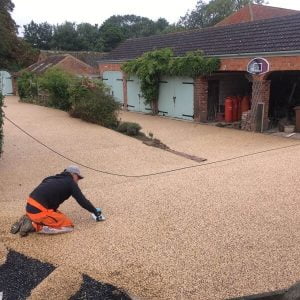
Resin driveways, also referred to as resin-bound driveways, represent a modern approach to paving characterized by their unique composition. By blending natural aggregates such as gravel, quartz, or crushed stone with a transparent resin binder, these driveways achieve a striking balance of aesthetics and functionality. The application process involves meticulously mixing these materials to ensure a consistent texture and color before laying them onto a meticulously prepared base. This method results in a smooth, seamless surface that enhances the visual appeal of any property.
What sets resin driveways apart from traditional options like concrete or asphalt is their adaptability. Homeowners can choose from a diverse palette of aggregate colors and sizes, allowing for endless design possibilities that harmonize with the architectural style and landscaping features of their home. Whether aiming for a rustic charm with earthy tones or a contemporary elegance with sleek, monochromatic finishes, resin driveways offer a customizable solution that caters to individual preferences and enhances curb appeal.
Benefits of Resin Driveways
Visual Appeal
Resin driveways are renowned for their aesthetic charm. The ability to choose from various aggregate colors and create custom designs or patterns makes them highly versatile. Whether you prefer a traditional stone look or a sleek, modern finish, resin driveways can be personalized to match your home’s style.
Durability
Compared to traditional surfaces, resin driveways are exceptionally durable. The resin binder provides a strong bond that prevents cracking and shifting, even under heavy loads. This durability ensures that your driveway maintains its integrity over time, reducing the need for repairs and replacements.
Permeability
One of the standout features of resin driveways is their permeability. The porous nature of the surface allows water to drain through, preventing puddles and minimizing the risk of flooding. This eco-friendly characteristic not only helps in managing stormwater runoff but also contributes to a safer driveway surface in various weather conditions.
Low Maintenance
Resin driveways are relatively low maintenance compared to traditional surfaces like concrete or asphalt. They require occasional sweeping to remove debris and an occasional wash with water and mild detergent to keep them looking fresh. This simplicity in upkeep saves time and effort, making resin driveways a practical choice for busy homeowners.
Flexibility
The flexibility of resin driveways extends beyond their visual appeal. The mixture of aggregates and resin allows for a smoother finish than traditional surfaces, making them comfortable to walk on and gentle on vehicle tires. Additionally, resin driveways can be laid over existing surfaces in many cases, reducing installation time and disruption.
Understanding Traditional Driveway Surfaces
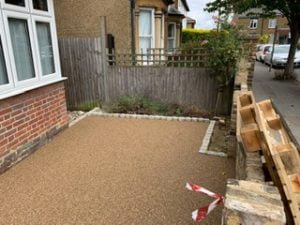
Traditional driveway surfaces, such as concrete and asphalt, have long been favored for their durability and reliability. Concrete driveways are constructed by pouring a mixture of cement, sand, gravel, and water onto a prepared base, which is then leveled and smoothed to create a solid surface. This method ensures a uniform appearance that can be further customized with stamped patterns or colored finishes to mimic higher-end materials like brick or stone. Asphalt driveways, on the other hand, involve the application of hot asphalt mix onto a prepared base, which is then compacted and smoothed to form a flexible yet durable surface.
What distinguishes traditional driveway surfaces is their proven track record of longevity and strength. Concrete driveways, when properly maintained with periodic sealing and repairs, can last for decades, offering a stable foundation for vehicles and foot traffic alike. Asphalt driveways are renowned for their ability to withstand fluctuating temperatures and heavy loads, making them a popular choice for residential properties. Despite their durability, traditional surfaces require regular maintenance to prevent cracks, potholes, and surface degradation over time.
Installation Process: Resin Driveways vs. Traditional Surfaces
Resin Driveways
Installing a resin driveway involves several key steps. First, the existing surface is prepared by cleaning and leveling the area. A porous sub-base is then laid, followed by the application of the resin and aggregate mixture. The surface is compacted and left to cure for optimal strength and durability.
Traditional Surfaces
For concrete driveways, the process begins with excavation to create a stable base. Forms are placed to outline the driveway’s shape, and concrete is poured, leveled, and smoothed. It must cure for several days before it can be used. Asphalt driveways are laid similarly but involve the application of hot asphalt mix that is spread and compacted using heavy machinery.
Maintenance Requirements
Resin Driveways
Maintenance for resin driveways is minimal. Regular sweeping or blowing to remove leaves and debris, along with occasional washing with water and mild detergent, keeps the surface clean and prevents buildup. Resealing may be required every few years to maintain the appearance and durability of the driveway.
Traditional Surfaces
Concrete driveways require regular sealing to protect against stains, water penetration, and cracking. Periodic cleaning and patching of cracks or holes are also necessary to prolong the driveway’s lifespan. Asphalt driveways benefit from sealing every few years to maintain their appearance and prevent cracks and potholes.
Environmental Considerations
Resin Driveways
Resin driveways are considered environmentally friendly due to their permeable nature, which reduces storm water runoff and helps prevent flooding. The use of natural aggregates also minimizes the environmental impact compared to traditional surfaces that rely on mined materials like concrete or asphalt.
Traditional Surfaces
Concrete and asphalt production have significant environmental impacts due to the energy-intensive processes and the extraction of natural resources. Concrete production, in particular, generates large amounts of carbon dioxide emissions, contributing to climate change.
Deciding Factors: Resin Driveways vs. Traditional Paving Solutions
When it comes to choosing between resin driveways and traditional paving solutions, several key factors can influence your decision. Resin driveways, crafted from a blend of natural aggregates and a clear resin binder, offer a customizable surface that stands out for its aesthetic versatility and durability. Homeowners can select from a wide range of aggregate colors and sizes, allowing them to create a driveway that complements their home’s architecture and landscaping seamlessly. The smooth, seamless finish of resin driveways not only enhances curb appeal but also provides a comfortable surface for vehicles and pedestrians alike.
On the other hand, traditional paving solutions like concrete and asphalt are valued for their proven durability and strength. Concrete driveways, known for their solid and uniform appearance, can be customized with various finishes and stamped patterns. Asphalt driveways, with their flexibility and ability to withstand temperature changes, are preferred for their resilience under heavy loads. However, both concrete and asphalt require regular maintenance to prevent cracks, potholes, and surface deterioration over time. Ultimately, the choice between resin driveways and traditional paving solutions depends on your aesthetic preferences, maintenance considerations, and desired durability for your home’s driveway.
Conclusion
The choice between resin driveways and traditional surfaces from Test Valley Driveways in Southampton, Hampshire, hinges on balancing aesthetic preferences, durability, and maintenance needs. Resin driveways offer a customizable, visually appealing option with minimal maintenance requirements and excellent permeability. In contrast, traditional surfaces like concrete and asphalt provide proven strength and longevity but require more regular upkeep to preserve their integrity. Understanding these differences allows homeowners to make an informed decision based on their specific priorities, ensuring they enhance their property’s curb appeal and functionality effectively with the right driveway solution.




