
Discover eco-friendly materials and methods that promote sustainability
Understanding Block Paving
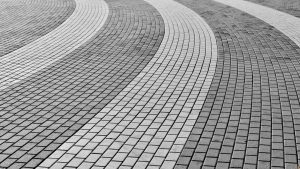
Block paving is a versatile technique in urban and landscape design, utilizing individual bricks or blocks crafted from materials like concrete, clay, or natural stone. These materials are meticulously arranged in intricate patterns over a well-prepared base, providing robust structural integrity and an aesthetically pleasing surface. Ideal for driveways, walkways, and public spaces alike, block paving combines durability with visual appeal, catering to diverse residential and commercial needs.
Its modular nature allows for flexibility in design, accommodating various styles and configurations to complement architectural surroundings while ensuring longevity and ease of maintenance. Whether enhancing curb appeal or defining communal areas, block paving stands as a cornerstone in modern construction, blending functionality with artistic expression.
Environmental Impact of Traditional Block Paving
Traditional block paving methods have garnered attention due to their significant environmental implications. The production of concrete and clay blocks, integral to these techniques, consumes substantial energy and raw materials, contributing to carbon emissions and environmental degradation. Transportation of these heavy materials further adds to their carbon footprint, exacerbating concerns about sustainability. Moreover, the impermeable nature of traditional block paving hinders natural drainage, potentially leading to urban flooding and water pollution issues.
Addressing these environmental impacts requires a shift towards sustainable practices in block paving. By embracing recycled materials, implementing permeable paving solutions, and enhancing manufacturing efficiency, the industry can mitigate its ecological footprint. These measures not only promote environmental stewardship but also foster resilience in urban infrastructure, supporting healthier and more sustainable communities for the future.
Sustainable Practices in Block Paving
Material Selection
Choosing sustainable materials is the cornerstone of environmentally friendly block paving. Opting for recycled or locally sourced materials reduces the carbon footprint associated with transportation and extraction. Recycled concrete and reclaimed natural stone are excellent alternatives that minimize environmental impact while maintaining the durability and aesthetic appeal of traditional paving materials.
Permeable Paving Solutions
One of the most significant environmental benefits of block paving lies in its ability to facilitate sustainable drainage systems (SuDS). Permeable paving allows rainwater to infiltrate through the surface, reducing runoff and the strain on urban drainage systems. This not only helps prevent flooding but also promotes groundwater recharge and minimizes water pollution by filtering contaminants naturally.
Design for Durability
Creating durable installations is fundamental to sustainable block paving. Proper sub-base preparation, jointing techniques, and maintenance practices significantly extend the lifespan of paved areas, reducing the need for frequent replacements and associated environmental impacts. Additionally, well-maintained surfaces ensure continued functionality and aesthetic appeal over time.
Energy Efficiency in Manufacturing
Improving the energy efficiency of manufacturing processes contributes to overall sustainability. Manufacturers can adopt renewable energy sources, optimize production techniques to minimize waste, and implement recycling programs for unused materials. These measures not only reduce carbon emissions but also enhance the lifecycle sustainability of paving materials.
Green Infrastructure Integration
Integrating green infrastructure elements such as planting strips, bios wales, and permeable edging enhances the ecological benefits of block paving. These features promote biodiversity, improve air quality, and mitigate the urban heat island effect. By blending hardscape with greenery, urban environments become more resilient and conducive to sustainable living.
Benefits of Sustainable Block Paving
Embracing sustainable practices in block paving offers multifaceted benefits:
Reduced Environmental Impact
By using recycled materials and implementing permeable paving solutions, sustainable block paving helps mitigate the carbon footprint associated with traditional methods. It promotes better water management, reduces urban heat island effects, and enhances biodiversity by integrating green infrastructure.
Longevity and Durability
Sustainable practices such as proper sub-base preparation and high-quality materials result in longer-lasting installations. This reduces maintenance costs over time and minimizes the need for frequent repairs or replacements.
Cost Efficiency
While initial costs for sustainable materials and practices may vary, the long-term benefits include lower lifecycle costs due to reduced maintenance and improved durability. This makes sustainable block paving a financially prudent choice for developers and homeowners alike.
Enhanced Aesthetic Appeal
Sustainable paving solutions can enhance the visual appeal of urban and residential areas. Integrating greenery, natural textures, and creative design patterns not only beautifies spaces but also creates inviting environments for residents and visitors.
Regulatory Compliance and Community Engagement
Sustainable block paving aligns with increasingly stringent environmental regulations and demonstrates a commitment to responsible development practices. It also fosters community pride and engagement by creating attractive and environmentally friendly public spaces.
Challenges and Future Directions
Despite the strides in sustainable block paving, several challenges hinder its widespread adoption. One significant obstacle is cost implications: while sustainable materials and practices may offer long-term savings, initial investment costs can be higher, deterring some stakeholders from choosing eco-friendly options. Additionally, navigating complex regulatory frameworks poses another challenge, as varying local regulations and standards often influence project feasibility and implementation timelines.
Looking ahead, overcoming these challenges requires concerted efforts in multiple areas. Continued innovation in materials science holds promise for developing more cost-effective and environmentally friendly paving solutions. Collaboration among stakeholders—including manufacturers, policymakers, and urban planners—is essential to streamline regulatory processes and promote standardized sustainability practices. Furthermore, increasing consumer awareness through education and outreach initiatives will empower individuals and communities to prioritize sustainability in urban design and landscaping decisions. By addressing these challenges collectively, we can pave the way for a more sustainable and resilient built environment.
Innovations Driving the Future of Block Paving Sustainability
Innovation is at the forefront of advancing sustainable block paving practices. Researchers and manufacturers are exploring new materials and production techniques that reduce environmental impact without compromising durability. For instance, advancements in recycled materials, such as crushed concrete or reclaimed natural stone, offer sustainable alternatives to traditional paving materials. These innovations not only minimize resource extraction but also lessen carbon emissions associated with manufacturing processes.
Furthermore, technological advancements are enhancing the performance of permeable paving solutions. Engineers are designing permeable blocks that effectively manage storm water runoff by allowing water to infiltrate into the ground naturally. This approach not only mitigates urban flooding risks but also supports groundwater recharge and improves water quality. By embracing these innovations, urban developers and landscapers can contribute significantly to building greener and more resilient cities for future generations.
Integrating Permeable Solutions in Urban Design
Permeable paving solutions are revolutionizing urban design by addressing critical water management challenges. Unlike traditional impermeable surfaces, permeable paving allows rainwater to permeate through the surface, reducing runoff and alleviating strain on urban drainage systems. This innovation helps prevent localized flooding and erosion while promoting sustainable water use practices.
In urban environments, integrating permeable solutions like porous asphalt or interlocking permeable pavers enhances the overall ecological footprint of public spaces. These solutions can be seamlessly integrated into sidewalks, parking lots, and public plazas, providing both functional benefits and aesthetic enhancements. By prioritizing permeable paving in urban planning, cities can mitigate the heat island effect, improve air quality, and enhance biodiversity. This approach not only supports sustainable development goals but also fosters healthier and more resilient communities.
Community Engagement: Shaping Sustainable Cities Through Paving Choices
Community engagement plays a pivotal role in shaping sustainable cities through thoughtful paving choices. When residents, businesses, and local authorities collaborate, they can prioritize environmentally friendly materials and designs that align with community values. Initiatives such as community workshops, public consultations, and educational campaigns raise awareness about the benefits of sustainable paving practices.
By involving the community in decision-making processes, cities can ensure that paving projects not only meet functional needs but also contribute positively to the local environment. Community-driven initiatives often lead to innovative solutions and creative designs that enhance the livability and aesthetic appeal of neighborhoods. Moreover, fostering a sense of ownership and pride in sustainable urban development encourages long-term stewardship and maintenance of public spaces. Ultimately, community engagement empowers individuals to contribute actively to building sustainable cities where paving choices reflect shared environmental and social responsibilities.
Conclusion
Embracing sustainable practices in block paving is not just a choice but a necessity for creating greener and more resilient urban landscapes. By opting for recycled materials, integrating permeable solutions, and fostering community engagement, cities like Southampton, Hampshire, exemplify leadership in sustainable urban development. Innovations in materials science and urban design continue to drive progress, offering solutions that balance environmental stewardship with functional excellence. As we move forward, initiatives like those undertaken by Test Valley Driveways underscore the importance of sustainable paving choices in building healthier, more vibrant communities for generations to come.




