
Comparing Durability and Cost
When it comes to upgrading or installing a new driveway, the choice between tarmac and concrete often boils down to personal preference, budget considerations, and specific needs. Both materials have their unique advantages and considerations, ranging from cost-effectiveness and durability to aesthetic appeal and maintenance requirements. This comprehensive guide will delve into the differences between tarmac and concrete driveways, helping you make an informed decision that suits your home and lifestyle.
What is Tarmac?

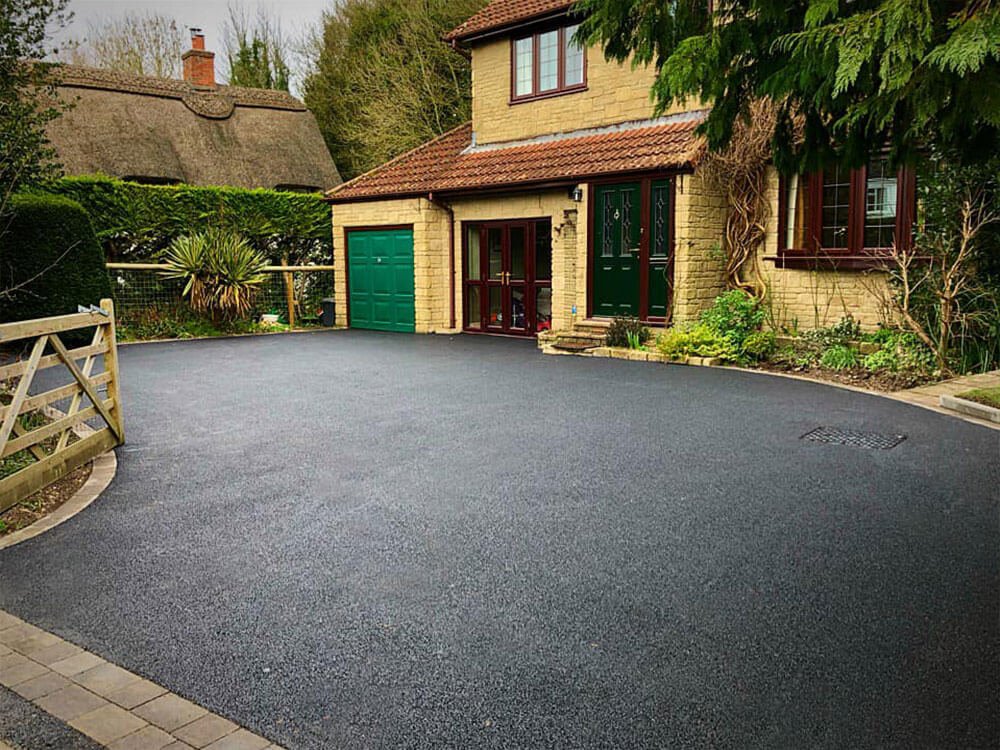
Tarmac, often referred to as asphalt in North America, is a widely chosen material for driveways, admired for its cost-effectiveness and resilience. It comprises a blend of crushed stone or aggregate bound together with bitumen, a viscous black substance derived from crude oil refining processes. This combination is heated to high temperatures, allowing it to be laid and compacted into a cohesive, durable surface. The resulting tarmac driveway boasts a smooth finish that not only enhances the aesthetic appeal of any property but also provides excellent durability against heavy traffic and various weather conditions.
Tarmac’s composition and application process contribute to its popularity in residential and commercial settings alike. Its ability to withstand temperature fluctuations without cracking and its resistance to wear and tear make it a practical choice for driveways in regions with diverse climates. Furthermore, tarmac driveways are relatively quick to install compared to other paving materials, minimizing disruption and allowing homeowners to enjoy their new driveway sooner. With its proven track record of durability and affordability, tarmac continues to be a preferred option for those seeking a reliable and attractive driveway solution.
Advantages of Tarmac Driveways
Cost-Effectiveness
Tarmac driveways are generally more affordable than concrete, both in terms of initial installation and long-term maintenance costs. The raw materials for tarmac are often cheaper, and the installation process tends to be quicker, resulting in lower labor costs.
Durability
Tarmac is known for its resilience. It can handle heavy vehicles without cracking and is less prone to frost damage compared to concrete. Its flexibility allows it to expand and contract with changes in temperature, reducing the risk of cracking over time.
Quick Installation
Tarmac driveways can be installed relatively quickly compared to concrete. Once the base preparation is complete, the hot mix is laid and compacted, and it can usually be used within a day or two after installation.
Easy Repairs
Small cracks and potholes in tarmac driveways can be easily repaired with patching materials. These repairs are typically straightforward and can extend the lifespan of the driveway with minimal cost.
Smooth Surface
Tarmac provides a smooth, even surface that is ideal for driving and parking. Its dark color also absorbs heat, which can help melt snow and ice faster during colder months.
What is Concrete?
Concrete is a versatile building material composed of a mixture of cement, sand, gravel (or crushed stone), and water. When these ingredients are combined, they form a paste that coats the aggregate particles, binding them together into a solid mass. This mixture, known as concrete, is then poured into forms or molds and allowed to cure and harden over time. During the curing process, chemical reactions occur within the concrete mixture, gradually strengthening it into a durable and resilient material.
Concrete driveways are popular due to their exceptional strength and longevity. Once properly installed on a prepared base, concrete becomes a solid surface capable of withstanding heavy loads, vehicle traffic, and various weather conditions. Its durability makes it suitable for driveways where durability and low maintenance are essential. Concrete driveways are also highly customizable, offering options for different finishes, textures, and colors to complement the aesthetic of any home or property. Whether you prefer a sleek modern look or a more traditional appearance, concrete driveways provide a durable and attractive solution for enhancing your property’s curb appeal.
Advantages of Concrete Driveways
- Strength and Durability: Concrete is exceptionally strong and durable, making it suitable for heavy traffic and harsh weather conditions. It has a longer lifespan compared to many other driveway materials.
- Aesthetic Options: Concrete driveways offer a wide range of design options. They can be stamped, stained, or textured to mimic natural stone or brick, giving homeowners flexibility in achieving their desired look.
- Low Maintenance: Once properly sealed, concrete driveways require minimal maintenance. They are resistant to stains, oil spills, and UV damage, and can be easily cleaned with regular sweeping and occasional power washing.
- Long-Term Investment: While concrete driveways may have a higher upfront cost than tarmac, their longevity and durability can make them a cost-effective investment over time. They typically require fewer repairs and replacements compared to other materials.
- Environmental Considerations: Concrete is an environmentally friendly option as it can be recycled and reused as aggregate in new concrete projects. It also has a high solar reflectance index (SRI), which reduces heat absorption and helps mitigate urban heat island effects.
Key Differences: Tarmac vs Concrete
Cost
In terms of cost, tarmac driveways generally have a lower initial installation cost compared to concrete. The materials used for tarmac are often less expensive, and the installation process is typically quicker, resulting in lower labor costs. However, concrete may offer better long-term value due to its durability and longer lifespan.
Durability
Both tarmac and concrete driveways are durable, but they have different characteristics that may influence longevity. Tarmac is flexible and can withstand slight ground movements without cracking. It also performs well in freezing and thawing conditions. Concrete, on the other hand, is exceptionally strong and resistant to heavy loads. Properly maintained concrete driveways can last several decades.
Maintenance
Tarmac driveways require regular maintenance to ensure longevity. This includes filling cracks and applying sealant every few years to protect against moisture and UV damage. Concrete driveways, once sealed, are generally low maintenance and require occasional cleaning and resealing to maintain their appearance and durability.
Aesthetic Appeal
Concrete driveways offer more design flexibility with options for stamping, coloring, and texturing to achieve various looks, from modern to rustic. Tarmac driveways, while limited in color options, provide a clean, uniform appearance that complements many architectural styles.
Climate Suitability
Both tarmac and concrete driveways perform well in different climates, but their specific attributes may make one more suitable than the other depending on local weather conditions. Tarmac’s ability to expand and contract with temperature changes makes it a good choice for regions with fluctuating temperatures and frost. Concrete’s strength and resistance to heat make it suitable for warmer climates.
Choosing the Right Driveway for You
The decision between tarmac and concrete driveways ultimately depends on your priorities, budget, and specific needs. Consider the following factors when making your choice:
Budget
Tarmac driveways generally have a lower initial cost, making them a budget-friendly choice for upfront expenses. Concrete, while more expensive to install, may provide better long-term value due to its durability and extended lifespan.
Maintenance
Consider your willingness to invest time and effort in driveway upkeep. Tarmac driveways require more frequent maintenance, including periodic resealing, while concrete driveways are typically low maintenance once properly sealed.
Climate
Evaluate how each material performs in your local weather conditions. Tarmac’s flexibility and resistance to freezing temperatures make it suitable for colder climates, whereas concrete’s strength and heat resistance are ideal for warmer regions.
Aesthetic Preferences
Decide on the visual impact you want for your home. Concrete offers a wide range of design options, such as stamped patterns and colored finishes, while tarmac provides a clean, uniform appearance that complements modern architecture.
Long-Term Investment
Consider the overall costs and benefits over time. While tarmac driveways are more affordable initially, concrete’s durability and longevity may provide better value in terms of fewer repairs and extended lifespan.
Resale Value: Tarmac vs Concrete Driveways
When considering the resale value of your property, the choice between tarmac and concrete driveways can have a significant impact. Concrete driveways are often perceived as adding more value to a home due to their durability and aesthetic appeal. Potential buyers appreciate the clean, tailored look that concrete provides, as well as its versatility in design options such as stamped patterns and colored finishes. A well-maintained concrete driveway can enhance curb appeal, making a strong first impression that contributes positively to the overall property value.
On the other hand, while tarmac driveways may have a lower upfront cost and offer practical benefits like quick installation and ease of repair, they are generally considered less appealing from a resale perspective compared to concrete. Tarmac’s uniform appearance and functionality are valued for their affordability and durability rather than their potential to elevate the aesthetic appeal of a property. Ultimately, the choice between tarmac and concrete driveways should consider not only immediate budget and maintenance considerations but also the long-term impact on property value and market appeal.
Conclusion
When choosing between tarmac and concrete driveways, it’s crucial to weigh factors like initial cost, maintenance needs, climate suitability, and aesthetic preferences. While tarmac offers affordability and durability, concrete often enhances property value with its long-lasting appeal and design versatility. For expert advice on installing the ideal driveway for your home in Southampton, Hampshire, contact Test Valley Driveways at 023 8144 9720. Make an informed decision to enhance your property’s functionality and curb appeal today!