
Block paving is a popular choice for driveways in Test Valley, offering durability, aesthetic appeal, and versatility. However, over time, even the best-installed block paving can encounter issues such as cracks, sunken areas, or uneven surfaces. Addressing these problems promptly can prevent further damage and maintain the overall appearance and functionality of the driveway. This comprehensive guide delves into block paving repair solutions specifically tailored for Test Valley driveways, offering practical advice and actionable steps to restore and enhance your paving.
Common Block Paving Issues
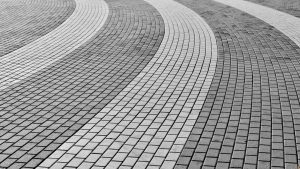
Cracking
Cracking is a common issue with block paving and can be caused by various factors including ground movement, poor installation, or heavy loads. Small cracks can often be repaired easily, but if left unattended, they may worsen and lead to more significant damage.
To address cracking, first identify the underlying cause. If it’s due to ground movement, it may require a more extensive repair. For surface-level cracks, a simple filling with a suitable sealant or mortar can often suffice. Regular maintenance and inspections can help catch these issues early before they escalate.
Sunken Areas
Sunken areas in block paving are typically the result of poor sub-base preparation, ground movement, or water erosion. These depressions not only detract from the visual appeal of the driveway but can also pose tripping hazards and affect the overall functionality.
Repairing sunken areas involves lifting and re-leveling the affected blocks. This process may require excavating the area, adding or compacting the sub-base material, and then resetting the blocks to ensure they are level with the surrounding surface. Proper drainage solutions can help prevent future sinking.
Weed Growth
Weed growth between blocks is not just an aesthetic issue; it can also contribute to further damage if left unchecked. Weeds can disrupt the jointing material and cause blocks to shift, leading to uneven surfaces and potential structural problems.
To combat weed growth, start by removing existing weeds and any debris from between the blocks. Applying a weed killer or herbicide can help prevent new growth. Re-sanding the joints with polymeric sand or similar jointing material can help inhibit weed regrowth and stabilize the blocks.
Staining and Discoloration
Stains and discoloration on block paving can be caused by a range of factors including oil spills, algae growth, or general wear and tear. While these stains may not affect the structural integrity of the paving, they can significantly impact its appearance.
To address staining, start with a thorough cleaning using appropriate cleaning solutions and techniques. For tougher stains, a pressure washer or specialized cleaning products may be necessary. Regular cleaning and sealing of the blocks can help maintain their appearance and protect them from future staining.
Assessing the Damage
Before beginning any repair work, it’s crucial to assess the extent and cause of the damage. A thorough inspection will help determine whether the issues are isolated or indicative of larger problems. This step involves checking for structural issues, identifying any underlying causes, and determining the best course of action for repair.
In Test Valley, where varying weather conditions can impact paving, it’s essential to consider local factors such as soil type and drainage. Engaging a professional for an assessment can provide valuable insights and ensure that repairs are conducted effectively and sustainably.
DIY vs. Professional Repair
For minor issues, such as small cracks or surface stains, DIY repair solutions can be effective and cost-efficient. However, for more significant problems like extensive cracking, sunken areas, or complex drainage issues, professional repair services may be necessary. Professionals have the expertise, tools, and experience to handle complex repairs and ensure long-lasting results.
DIY repairs can be done using readily available materials and tools, but it’s important to follow best practices and safety guidelines. For complex issues or if you’re unsure about the extent of the damage, seeking professional help can save time, prevent further damage, and ensure high-quality repairs.
Repair Materials and Tools
Selecting the right materials and tools is critical for effective block paving repairs. Common materials used in repairs include:
- Jointing Sand: For filling gaps and preventing weed growth.
- Mortar or Sealant: For repairing cracks and securing blocks.
- Cleaning Solutions: To address stains and discoloration.
- Sub-Base Material: For leveling sunken areas.
Tools typically required include a pressure washer, trowel, brush, and jointing tools. Having the right materials and tools on hand ensures that repairs are carried out efficiently and to a high standard.
Repair Techniques
Crack Repa For small cracks, clean the area thoroughly, apply a suitable sealant or mortar, and smooth it out. For larger cracks, you may need to excavate the area, apply a filler, and then reseat the blocks.
Sunken Area Repair: Lift the affected blocks, check and correct the sub-base level, compact the base material, and reset the blocks to the correct height. Ensure proper drainage to prevent future sinking.
Weed Control: Remove existing weeds and debris, apply a weed killer, and re-sand the joints with polymeric sand to prevent future weed growth. Regular maintenance can help keep weeds at bay.
Stain Removal: Use appropriate cleaning solutions for different types of stains. For stubborn stains, a pressure washer may be required. Ensure the blocks are thoroughly dried before applying any sealant.
Preventative Maintenance
Preventing issues before they arise can save time and money in the long run. Regular maintenance of block paving involves several key practices:
- Sealing: Applying a sealant helps protect the blocks from staining and weather damage. It also helps to keep the joints stable and reduces weed growth.
- Cleaning: Regular cleaning of the surface prevents buildup of dirt, stains, and algae. This keeps the paving looking its best and extends its lifespan.
- Inspection: Periodically inspect the driveway for signs of damage, such as cracks or sunken areas. Early detection allows for timely repairs and prevents minor issues from becoming major problems.
Local Considerations for Test Valley
Test Valley’s climate and soil conditions can impact the performance of block paving. Factors such as heavy rainfall, frost, and varying soil types can contribute to issues like cracking and sinking. Understanding these local factors helps in selecting appropriate materials and repair methods.
Consulting with local experts or professionals who are familiar with Test Valley’s conditions can provide valuable insights and recommendations. They can offer tailored solutions that address specific local challenges and ensure that repairs are effective and durable.
Choosing the Right Professional
When opting for professional repair services, choosing a reputable and experienced contractor is essential. Look for professionals with a proven track record in block paving repairs and positive customer reviews. They should offer a comprehensive assessment, detailed repair plan, and clear communication throughout the process.
Requesting quotes from multiple contractors and comparing their services and prices can help in making an informed decision. A reliable professional will ensure that repairs are carried out to high standards, providing peace of mind and long-lasting results.
Cost Considerations
The cost of block paving repairs can vary depending on the extent of the damage, the materials used, and the complexity of the repair work. Minor repairs, such as filling small cracks or cleaning stains, are generally less expensive than extensive repairs involving sub-base corrections or large-scale replacements.
Obtaining quotes from multiple sources and considering both DIY and professional options can help in budgeting effectively. Investing in quality materials and skilled repair work can ultimately save money by extending the lifespan of the driveway and reducing the need for frequent repairs.
Conclusion
Maintaining block paving driveways in Test Valley requires addressing issues like cracking, sinking, and staining promptly and effectively. Test Valley Driveways, based in Southampton, specializes in providing expert repair solutions tailored to the unique conditions of the area. By understanding common problems and implementing the right repair techniques, from crack filling to professional cleaning, you can ensure your driveway remains both functional and visually appealing. Regular maintenance and timely repairs not only enhance the longevity of the paving but also preserve the value and aesthetics of your property. Trusting local experts ensures high-quality results and long-lasting satisfaction.