
A driveway is more than just a place to park your car; it’s a crucial part of your home’s first impression. In Test Valley, where charming landscapes and picturesque homes abound, the right driveway can enhance the beauty and functionality of your property. Block paving is a popular choice in the area, thanks to its durability, aesthetic appeal, and versatility. This guide explores how block paving can transform your driveway, from design options to installation and maintenance, ensuring that you make the most of this investment.
Why Choose Block Paving?
Aesthetic Appeal
Block paving offers a sophisticated and stylish look that can significantly enhance the curb appeal of your home. Available in a variety of colors, shapes, and patterns, block paving allows for a high degree of customization. Whether you prefer a classic herringbone pattern or a modern, sleek design, there’s a block paving solution to match your aesthetic preferences.
In Test Valley, where many homes feature traditional and contemporary styles, block paving can complement any architectural design. The ability to choose from different textures and colors means that you can create a driveway that seamlessly blends with your home’s exterior and the surrounding landscape.
Durability and Longevity
One of the key advantages of block paving is its durability. Made from high-quality materials like concrete, clay, or natural stone, block paving can withstand heavy loads and harsh weather conditions. This makes it an excellent choice for Test Valley’s varied climate, which can range from wet and windy to cold and frosty.
Properly installed and maintained block paving can last for decades. Its resilience to wear and tear, combined with its resistance to cracking and fading, means that your driveway will continue to look great and perform well over time. This durability makes block paving a cost-effective investment in the long run.
Versatility
Block paving is incredibly versatile, allowing for a range of design options and applications. It can be used for various driveway shapes and sizes, and it’s suitable for both residential and commercial properties. Whether you have a small, intimate driveway or a large, sprawling space, block paving can be customized to fit your needs.
Additionally, block paving can be combined with other materials, such as gravel or grass, to create unique and functional designs. This versatility means that you can achieve a driveway that not only meets your practical requirements but also enhances the overall look of your property.
Design Considerations
Choosing the Right Material
The material you choose for your block paving can have a significant impact on the final look and performance of your driveway. Here are some common options:
- Concrete Blocks: Affordable and available in a wide range of colors and textures, concrete blocks are a popular choice for many homeowners. They offer durability and ease of maintenance.
- Clay Bricks: Known for their rich, warm tones and classic appeal, clay bricks are a traditional option that adds a touch of elegance to your driveway. They are also highly durable and weather-resistant.
- Natural Stone: For a more luxurious and unique look, natural stone blocks like granite or sandstone are excellent choices. They offer a high level of durability and can enhance the overall aesthetic of your property.
Pattern and Layout
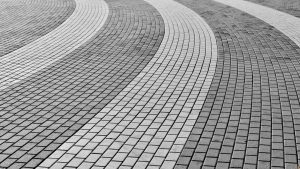
The pattern and layout of your block paving can dramatically influence the appearance of your driveway. Some popular patterns include:
- Herringbone: A classic pattern that provides a strong, interlocking design. It’s ideal for driveways that will see heavy traffic.
- Basket weave: A traditional design that creates a woven effect. It’s perfect for adding a touch of charm to your driveway.
- Running Bond: A simple, linear pattern that works well for modern and minimalist designs.
Consider the overall style of your home and landscape when choosing a pattern. The right design will complement your property and enhance its visual appeal.
Color and Texture
The color and texture of block paving can also affect the look of your driveway. Lighter colors can create a clean and spacious feel, while darker tones add depth and elegance. Textured blocks can add visual interest and help with traction, making your driveway safer in wet conditions.
Think about how the color and texture will interact with your home’s exterior and the surrounding landscape. Choosing complementary colors and textures can create a cohesive and attractive look.
Installation Process
Preparing the Site
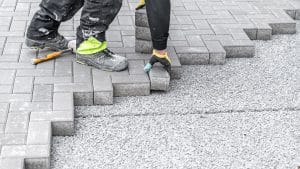
The installation of block paving begins with preparing the site. This involves clearing the area of any existing materials, such as old paving or vegetation. The ground is then excavated to a suitable depth to accommodate the sub-base, which provides stability and drainage for the paving.
Proper preparation is crucial to ensure a successful installation. The site should be level and free from any debris or obstacles that could affect the final result. This step sets the foundation for a durable and long-lasting driveway.
Laying the Sub-Base
The sub-base is a critical component of block paving installation. It typically consists of crushed stone or gravel, which is compacted to create a stable and well-draining foundation. The thickness and composition of the sub-base will depend on factors such as the expected load and soil conditions.
A well-laid sub-base helps to prevent future issues such as sinking or shifting of the blocks. It also ensures proper drainage, reducing the risk of water pooling and potential damage to the driveway.
Installing the Blocks
Once the sub-base is in place, the block paving is laid according to the chosen pattern and design. Blocks are carefully placed and aligned to create a uniform and attractive surface. Spacers or edging may be used to ensure consistent gaps and prevent movement.
After laying the blocks, they are compacted to lock them into place and create a stable surface. Jointing sand is then swept into the gaps between the blocks to secure them and prevent shifting. The surface is cleaned to remove any excess sand and debris.
Finishing Touches
The final steps of the installation process involve adding finishing touches to enhance the appearance and functionality of your driveway. This may include:
- Edging: Installing edging stones or borders to define the edges of the driveway and prevent the blocks from shifting.
- Sealing: Applying a sealant to protect the surface from stains, moisture, and UV damage. This helps to maintain the color and appearance of the paving.
- Cleaning: Removing any remaining sand, debris, or construction materials to ensure a clean and polished finish.
Maintenance Tips
Regular Cleaning
Regular cleaning is essential to keep your block paving looking its best. Sweep the surface periodically to remove debris and dirt. For a deeper clean, use a pressure washer or a suitable cleaning solution to remove stains and algae. Avoid using harsh chemicals that could damage the blocks or the jointing material.
Re-Sanding Joints
Over time, the jointing sand between the blocks may erode or wash away. Re-sanding the joints helps to maintain the stability of the paving and prevent weed growth. Use polymeric sand or similar jointing material for best results, and ensure that the sand is properly compacted into the gaps.
Addressing Damage
Promptly address any damage to the block paving to prevent further issues. Repair cracks, sunken areas, or stains as soon as they are noticed. For minor damage, DIY solutions may be sufficient, but for more significant issues, professional repair services may be necessary.
Sealing
Applying a sealant periodically helps to protect the block paving from stains, moisture, and UV damage. Sealants can also enhance the color and appearance of the paving, giving it a fresh and vibrant look. Follow the manufacturer’s recommendations for application and re-application intervals.
Local Considerations for Test Valley
Climate and Weather
Test Valley’s climate can affect the performance and maintenance of block paving. The area experiences a range of weather conditions, including rain, frost, and occasional heatwaves. Choosing durable materials and applying appropriate sealants can help protect the paving from these environmental factors.
Soil Conditions
The soil conditions in Test Valley can vary, impacting the installation and performance of block paving. For areas with clay or unstable soil, proper preparation and sub-base installation are crucial to prevent issues such as sinking or shifting.
Local Regulations
Be aware of any local regulations or guidelines regarding driveway construction and block paving in Test Valley. Ensure that the installation meets any relevant standards or requirements set by the local council or planning authorities.
Conclusion
Transforming your driveway with block paving can significantly enhance both the functionality and aesthetic appeal of your home in Test Valley. Test Valley Driveways, based in Southampton, specializes in creating beautiful, durable driveways tailored to your needs. With a range of materials, designs, and patterns available, block paving offers a stylish and versatile solution for any property. Proper installation and maintenance ensure long-lasting results, even in Test Valley’s varied climate. Whether you’re looking to upgrade your driveway or address existing issues, block paving provides a robust and attractive option that adds value and charm to your home.