
When it comes to driveway installation, getting it right can make a big difference in both the functionality and aesthetics of your property. For homeowners in Test Valley, understanding and applying best practices can ensure a durable, visually appealing, and cost-effective driveway. From choosing the right materials to proper site preparation, this comprehensive guide covers everything you need to know to achieve a successful driveway installation.
Understanding Your Driveway Needs
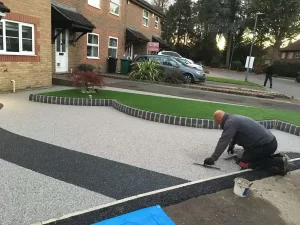
Assessing Your Property
Before diving into the installation process, it’s crucial to assess your property’s specific needs. This involves evaluating the size and layout of the area where the driveway will be installed. Accurate measurements are essential for planning and ensuring that the driveway fits well with your existing landscape and structure.
Consider factors such as the amount of traffic the driveway will handle, any slopes or drainage issues, and how the driveway will integrate with other features like gates or pathways. Taking these elements into account will help you choose the right materials and design to suit your property.
Determining Driveway Usage
Understanding how you will use your driveway is another important aspect of the planning process. Will it be primarily for parking vehicles, or do you need extra space for turning or maneuvering? Are you looking for a surface that can handle heavy loads, or do you prefer something more aesthetic?
By clarifying your usage requirements, you can make informed decisions about the materials and design features that best meet your needs. For example, a driveway used for frequent heavy vehicle parking may require a more durable material compared to one that is mainly for light, occasional use.
Choosing the Right Materials
Asphalt Driveways
Asphalt is a popular choice due to its durability, affordability, and relatively quick installation process. It is a flexible material that can handle heavy traffic and is generally easy to repair. For Test Valley properties, asphalt’s black surface can also help absorb heat, which may be beneficial during colder months.
However, asphalt does require periodic maintenance, such as sealing, to extend its lifespan and maintain its appearance. It’s also worth noting that while asphalt is a cost-effective option, it may not offer the same aesthetic appeal as other materials.
Concrete Driveways
Concrete driveways offer a clean, modern look and are highly durable. They can be customized with various finishes, colors, and patterns to match your property’s aesthetic. Concrete is ideal for those who want a low-maintenance surface that can withstand heavy loads and resist weather-related wear.
One downside is that concrete can be more expensive than asphalt, and it may crack over time if not properly installed. To mitigate this, proper site preparation and maintenance are essential.
Gravel Driveways
Gravel is a versatile and cost-effective option that provides a rustic look. It allows for good drainage and can be a great choice for properties with sloped terrain. Gravel driveways are also relatively easy to install and maintain.
However, gravel driveways may require periodic replenishing and leveling to keep them looking their best. Additionally, gravel can shift or spread over time, so proper edging and regular maintenance are necessary to keep it contained.
Pavers and Block Paving
Pavers and block paving offer a highly customizable option with a wide range of shapes, sizes, and colors. They provide a decorative and professional appearance and are durable enough to handle heavy traffic. Pavers can also be replaced individually if damaged, making them a long-term solution.
The installation of pavers can be more labor-intensive and costly compared to other materials. Ensuring proper base preparation and installation is crucial to prevent shifting or settling over time.
Site Preparation and Installation
Site Preparation
Proper site preparation is key to a successful driveway installation. This involves clearing the area of any existing materials, vegetation, or debris. It’s essential to level and grade the site to ensure proper drainage and prevent future issues such as pooling water or uneven surfaces.
Depending on the material chosen, you may need to excavate to a certain depth and install a sub-base layer to provide stability and support. For example, gravel driveways require a well-compacted base to prevent shifting and settling.
Base Layer Installation
The base layer is a critical component of a durable driveway. For most materials, a solid base of crushed stone or gravel is needed to provide a stable foundation. This layer should be compacted thoroughly to prevent future movement and ensure a smooth surface for the final material.
The thickness and type of base layer depend on the material chosen and the specific needs of your driveway. Proper installation of the base layer helps distribute weight evenly and improves the overall performance of your driveway.
Surface Installation
Once the base layer is in place, the surface material can be installed. For asphalt driveways, the material is heated, poured, and then compacted with a roller. For concrete driveways, the mixture is poured, spread, and then finished with a trowel.
Gravel is spread over the base layer and compacted, while pavers or blocks are laid in the desired pattern and secured with sand or mortar. Each material requires specific techniques and tools for proper installation, so following manufacturer guidelines and hiring experienced professionals is recommended.
Maintenance and Care
Regular Cleaning
Regular cleaning is essential for maintaining the appearance and longevity of your driveway. For asphalt and concrete driveways, this involves removing debris, stains, and moss. Power washing can be an effective method for cleaning concrete, while asphalt may require gentle scrubbing to avoid damaging the surface.
For gravel driveways, periodic raking and replenishing of gravel are necessary to maintain an even surface and prevent erosion. Keeping your driveway clean helps prevent the buildup of dirt and grime that can lead to long-term damage.
Repairing Damage
Addressing any damage promptly is crucial for extending the lifespan of your driveway. For asphalt driveways, cracks and potholes should be filled with appropriate sealant or patching material. Concrete driveways may require crack repairs and resealing to prevent water infiltration and further damage.
Gravel driveways may need occasional replenishing and leveling to address displacement or erosion. For pavers, repairing individual units and reapplying sand between joints can help maintain a smooth and stable surface.
Sealing and Protection
Sealing your driveway can protect it from environmental factors and extend its lifespan. Asphalt driveways benefit from regular sealing to prevent oxidation, cracking, and water damage. Concrete driveways also require sealing to protect against staining and moisture penetration.
For gravel driveways, while sealing is not applicable, using edging and landscape features can help contain the gravel and prevent it from spreading. Proper maintenance and protection ensure that your driveway remains in top condition for years to come.
Driveway Success: Key Practices for Test Valley Homeowners
Achieving driveway success in Test Valley involves understanding and applying key best practices to ensure a functional, durable, and aesthetically pleasing result. Start by thoroughly assessing your property, including measurements, drainage needs, and how the new driveway will integrate with existing features. Accurate site evaluation allows for precise planning and ensures that the chosen materials and design will meet your specific needs. Addressing these details upfront helps avoid costly adjustments and ensures that the installation process proceeds smoothly.
Another critical aspect is selecting high-quality materials and engaging skilled professionals for the installation. Whether opting for asphalt, concrete, gravel, or pavers, the quality of materials and workmanship directly impacts the driveway’s longevity and appearance. Following best practices for site preparation, base layer installation, and surface application will result in a driveway that enhances both the functionality and curb appeal of your Test Valley property.
Create a Stunning Driveway with These Best Practices for Test Valley Properties
Creating a stunning driveway for Test Valley properties involves adhering to best practices that combine design aesthetics with practical functionality. Begin by choosing materials that complement your home’s style and meet your specific needs, such as durability, maintenance, and drainage. Materials like stamped concrete, decorative pavers, or gravel can enhance the visual appeal while ensuring that the driveway serves its intended purpose. Planning the layout to incorporate features such as curves, borders, and integrated lighting can also contribute to a more attractive and functional design.
Proper site preparation and professional installation are crucial for achieving a high-quality finish. This includes clearing the area, leveling the ground, and laying a solid base to support the chosen surface material. Regular maintenance, such as sealing cracks and cleaning, will keep the driveway looking pristine and ensure that it continues to add value to your Test Valley property for years to come.
Conclusion
Successfully installing a driveway in Test Valley requires careful planning, quality materials, and adherence to best practices. By accurately assessing your property, choosing the right materials, and engaging skilled professionals, you can achieve a driveway that enhances both the functionality and aesthetic appeal of your home. Proper site preparation and attention to detail during installation are crucial for long-term durability and performance. At Test Valley Driveways, located in Southampton, expertise in these best practices ensures that each project meets high standards and delivers exceptional results. Embracing these guidelines will not only improve your property’s curb appeal but also ensure a lasting investment in your home.