
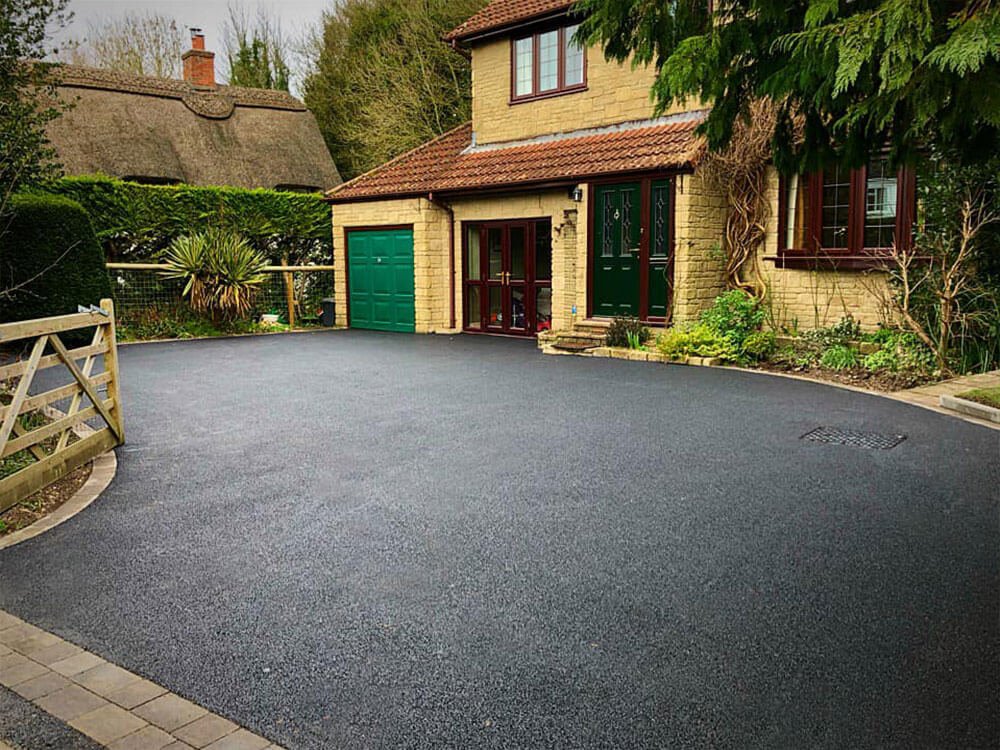
When it comes to enhancing the curb appeal and functionality of your Test Valley property, a well-planned driveway installation can make all the difference. A new driveway not only boosts your home’s aesthetic but also provides practical benefits such as improved access, increased parking space, and better property value. If you’re considering a driveway upgrade or installation, it’s essential to start with thorough preparation. In this guide, we’ll walk you through everything you need to know to get your property ready for a successful driveway project.
Understanding the Basics of Driveway Installation
Before diving into the preparation process, let’s briefly cover what’s involved in a typical driveway installation. Generally, the process includes several key steps:
Planning and Design
Planning and design involve determining the ideal size, shape, and materials for your driveway. Consider your property’s layout, access points, and aesthetic preferences. Choose materials based on durability, maintenance needs, and visual appeal to align with your home’s style and functionality.
Site Preparation
Site preparation requires clearing and leveling the area designated for the driveway. This involves removing any existing structures or vegetation, addressing soil conditions, and ensuring the area is free from obstacles. Proper preparation sets the stage for a stable and durable driveway installation.
Base Preparation
Base preparation involves installing a solid foundation layer beneath the driveway. This typically includes compacting crushed stone or gravel to provide stability and proper drainage. A well-prepared base is crucial for preventing shifting and ensuring the longevity of the surface material.
Surface Installation
Surface installation is the process of laying down the chosen material, such as asphalt, concrete, or pavers. This step involves spreading, smoothing, and setting the surface material according to the selected type, ensuring even coverage and proper adhesion for a functional and visually appealing finish.
Finishing Touches
Finishing touches include adding elements like edging, which defines the driveway’s boundaries, and drainage solutions to manage water runoff effectively. These details enhance the driveway’s functionality and aesthetics, ensuring it integrates seamlessly with your property and performs well over time.
Assessing Your Property
Understanding Your Space
- Measuring the Area: Begin by measuring the precise dimensions of the area where the driveway will be placed. Accurate measurements are essential for creating a layout that fits seamlessly and ensures sufficient space for the driveway. This step helps prevent issues during installation and guarantees the driveway meets your needs.
- Evaluating Access Points: Assess how the new driveway will connect with the road and any potential access challenges. Consider the turning radius, sight lines, and how the driveway will interact with existing features like gates or walls. This evaluation ensures smooth integration and functionality.
- Checking for Obstacles: Identify and document any obstacles in the area, such as trees, existing structures, or underground utilities. Recognizing these potential issues early on helps in planning for their removal or protection, thus avoiding complications and delays during the installation process.
Understanding Local Regulations
- Planning Permissions: In Test Valley, you may need to secure planning permission from your local council depending on the project’s scale. It’s essential to consult with them to understand the requirements and ensure compliance, avoiding potential legal issues or delays in your driveway installation.
- Building Regulations: Ensure your driveway design adheres to local building regulations, especially if it affects drainage or the structural aspects of your property. Compliance with these regulations is crucial for both safety and functionality, and checking them beforehand can prevent future problems.
Choosing the Right Materials
The choice of materials for your driveway will significantly impact its look, durability, and maintenance. Common options include:
Asphalt
Asphalt driveways are favored for their durability and straightforward installation. They are cost-effective and adaptable, making them a popular choice. Maintenance is minimal, and asphalt can be resurfaced when necessary, extending its lifespan and keeping it looking fresh and smooth.
Concrete
Concrete driveways offer a sleek, modern appearance and exceptional durability. They are highly customizable with various finishes and colors, allowing homeowners to create a unique look. However, concrete may require more upkeep to prevent cracking and staining over time.
Gravel
Gravel driveways are an affordable and versatile choice, providing a natural, rustic aesthetic. They offer flexibility in design but can require regular replenishment and maintenance. Over time, gravel may shift or become uneven, necessitating periodic adjustment to maintain their appearance and functionality.
Pavers
Paver driveways are ideal for a decorative and customizable option. Available in numerous shapes, sizes, and colors, pavers allow for creative design patterns and a personalized touch. They provide a visually appealing surface but may require occasional cleaning and maintenance to preserve their appearance.
Block Paving
Block paving combines the aesthetic appeal of pavers with a structured and uniform look. Known for its durability and ability to create intricate patterns, block paving offers a professional finish. It is robust and long-lasting, making it suitable for high-traffic areas and varied climates.
Preparing Your Site
Clearing the Area
Before the installation team arrives, you’ll need to:
- Remove Existing Materials: If there’s an old driveway or any other materials in the area, they should be removed. This might involve digging up asphalt or concrete and clearing away debris.
- Clearing Vegetation: Any grass, shrubs, or trees in the area should be removed. This can be done manually or with the help of machinery if there’s a lot to clear.
- Addressing Soil Conditions: The soil should be assessed for stability. In some cases, you might need to improve the soil quality or add a sub-base to ensure the driveway’s longevity.
Excavation and Grading
Proper excavation and grading are critical for a stable driveway:
- Excavating the Area: The depth of excavation will depend on the type of driveway and the materials used. Typically, you’ll need to dig down to a depth of 6 to 12 inches.
- Grading the Site: Ensure the site is graded to provide proper drainage. The driveway should slope slightly away from your home to prevent water pooling and potential damage.
- Installing a Base Layer: For most driveways, a base layer of crushed stone or gravel is necessary. This layer provides stability and helps with drainage. It should be compacted thoroughly.
Installing the Driveway
Laying the Surface
Once the base is prepared, the surface installation begins:
- Asphalt Driveways: Asphalt is usually laid in layers. The surface is heated and then compacted using a roller. It’s important to allow time for the asphalt to cool and set.
- Concrete Driveways: Concrete is poured and spread over the prepared base. It’s then leveled and finished with a trowel. If you’re using decorative finishes, they should be applied while the concrete is still wet.
- Gravel Driveways: Gravel is spread over the base layer and then compacted. Regular maintenance will involve adding more gravel as it shifts or gets displaced.
- Pavers and Block Paving: Pavers or blocks are laid in the desired pattern over the base layer. They are then secured in place with sand or mortar and compacted.
Ensuring Proper Drainage
Proper drainage is crucial for the longevity of your driveway. Ensure that:
Slope is Adequate
Ensure the driveway has a gentle slope to effectively direct water away from your property. Proper grading prevents water from pooling, reducing the risk of erosion and damage. This slight incline promotes efficient drainage and maintains the driveway’s integrity over time.
Drainage Solutions are Installed
Install appropriate drainage solutions based on your property’s needs to manage water runoff effectively. This may include drainage channels, French drains, or other systems designed to redirect water flow and prevent flooding. Proper drainage maintains the driveway’s durability and prevents water-related issues.
Post-Installation Care
Once your driveway is installed, there are a few things to keep in mind:
Allow Time to Cure
For concrete and asphalt driveways, it’s important to allow time for curing. Avoid driving on the driveway until it’s fully set.
Regular Maintenance
Regular maintenance will extend the life of your driveway. This includes cleaning, sealing, and addressing any cracks or damage promptly.
Inspections
Periodic inspections will help catch any issues early and ensure your driveway remains in good condition.
Conclusion
Preparing a Test Valley property for a new driveway involves careful planning and execution. From assessing the space and selecting the right materials to ensuring proper site preparation and installation, each step is crucial for a successful project. With expert guidance and quality workmanship, Test Valley Driveways in Southampton ensures that your driveway enhances the property’s curb appeal and stands the test of time. A well-installed driveway not only boosts the visual appeal but also provides a durable and functional addition to any home. Trust in professional services to achieve a high-quality and long-lasting result for your driveway installation.




