
Discover how investing in quality block paving can increase property marketability and appeal
Block paving, known for its durability, aesthetic appeal, and versatility, has become increasingly popular among homeowners looking to enhance their property’s value and curb appeal. Whether you’re considering a driveway renovation, patio extension, or even a garden pathway upgrade, block paving offers a myriad of benefits that go beyond just aesthetics. In this comprehensive guide, we’ll delve into everything you need to know about block paving, from its advantages and installation process to maintenance tips and cost considerations. By the end, you’ll have a clear understanding of how block paving can transform your home and add significant value to your property investment.
What is Block Paving?
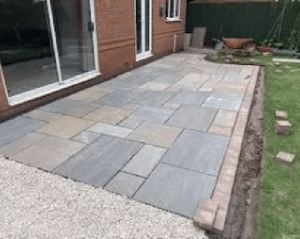
Block paving, commonly referred to as brick paving, encompasses the artful arrangement of rectangular or square-shaped bricks or blocks to form robust outdoor surfaces. These blocks are crafted from diverse materials like clay, concrete, or natural stone, each imbuing the pavement with distinct hues, textures, and resilience. This variety not only enhances aesthetic appeal but also ensures durability suited to different environmental conditions and usage demands. The flexibility in design allows for intricate patterns and geometric arrangements, making block paving a preferred choice for driveways, patios, and pathways, where both functionality and visual impact are paramount.
The meticulous placement of these blocks not only contributes to structural integrity but also enables customization to complement any architectural style or landscaping concept. Whether enhancing curb appeal or creating a cohesive outdoor environment, block paving stands as a versatile solution that merges practicality with aesthetic charm, promising enduring beauty and value for residential and commercial settings alike.
Advantages of Block Paving
Durability and Longevity
One of the primary reasons homeowners choose block paving is its exceptional durability. Unlike poured concrete or asphalt, which can crack over time, individual blocks can be easily replaced if damaged, ensuring a longer lifespan for your paved areas. Properly installed block paving can last for decades, making it a cost-effective investment in the long run.
Aesthetic Appeal
Block paving offers endless design possibilities, allowing you to create unique patterns, borders, and even incorporate different colors to complement your home’s exterior. Whether you prefer a traditional herringbone pattern or a more contemporary look with contrasting borders, block paving enhances the visual appeal of your property and creates a cohesive outdoor environment.
Versatility
From driveways and pathways to patios and pool surrounds, block paving can be used in various outdoor applications. Its ability to withstand heavy loads makes it ideal for driveways, while its slip-resistant surface makes it safer for walking areas. Additionally, the flexibility in design allows you to customize your outdoor space according to your preferences and lifestyle.
Low Maintenance
Compared to other paving materials, block paving requires minimal maintenance to keep it looking its best. Regular sweeping and occasional washing with a hose are usually sufficient to remove debris and maintain its appearance. Additionally, the ease of replacing individual blocks means repairs are straightforward and less costly compared to repairing cracked concrete or asphalt.
Installation Process
Preparation
Before installation begins, the area where block paving will be laid needs to be excavated to the required depth. This ensures a stable base for the paving and allows for proper drainage. The depth of excavation depends on factors such as soil type and intended use of the paved area.
Base Preparation
Once excavated, a layer of hardcore (crushed stone) is spread and compacted to create a solid foundation. This is followed by a layer of sharp sand, which is leveled to provide a smooth surface for laying the blocks. Proper base preparation is crucial to prevent shifting or sinking of the blocks over time.
Laying the Blocks
Blocks are laid in the chosen pattern, starting from a fixed edge or border and working towards the center of the area. This requires careful alignment and leveling to ensure a uniform surface. Special attention is given to the edges and any patterns or designs to maintain consistency and structural integrity.
Jointing and Finishing
Once all blocks are in place, kiln-dried sand is swept over the surface and forced into the joints between the blocks. This helps stabilize the blocks and prevent weed growth between them. Excess sand is then swept away, and the paved area is compacted again to settle the blocks into place.
Maintenance Tips
To keep your block paving looking its best and prolong its lifespan, consider the following maintenance tips:
- Regular Cleaning: Sweep or use a leaf blower to remove debris and leaves from the surface.
- Weed Control: Apply a weed inhibitor or use a weed killer as needed to prevent weeds from growing between the joints.
- Stain Removal: Promptly clean oil spills or stains using a degreaser or specialized cleaner to prevent permanent marks.
- Sealing: Consider applying a sealant to enhance color and protect the surface from stains and weather damage. This is particularly beneficial for light-colored blocks or areas prone to heavy use.
Cost Considerations
When considering the cost of block paving, several key factors influence the overall expenses involved. The type of blocks selected plays a significant role, with concrete blocks typically being more budget-friendly compared to natural stone options, which are prized for their unique appearance and durability. The size of the area to be paved directly affects material quantities and labor requirements, thereby impacting the total cost. Additionally, intricate patterns or designs can escalate labor costs due to the precision and time involved in laying each block meticulously.
To ensure a balanced assessment of costs, homeowners are advised to gather quotes from reputable paving contractors. This allows for a comparison of pricing structures and ensures transparency regarding materials, labor, and any additional services included in the installation process. While upfront expenses may vary, it’s essential to consider the long-term benefits of block paving, such as minimal maintenance and enhanced property value, which can outweigh initial investment costs over time. This strategic approach not only optimizes budget allocation but also ensures the desired aesthetic and functional outcomes for outdoor spaces.
Upgrade Your Outdoor Spaces with Block Paving
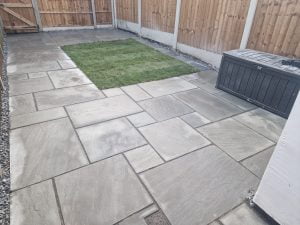
Block paving offers a versatile and durable solution to transform your outdoor spaces into inviting and functional areas. Whether you’re looking to revamp your patio, create a stunning garden pathway, or upgrade your driveway, block paving provides endless design possibilities. The use of rectangular or square-shaped blocks made from materials like clay, concrete, or natural stone allows for intricate patterns and customized layouts that complement your home’s architecture. Beyond aesthetics, block paving enhances usability by providing a stable and slip-resistant surface, making it ideal for high-traffic areas.
The durability of block paving ensures long-lasting beauty with minimal maintenance. Regular sweeping and occasional washing are typically all that’s needed to keep your paved areas looking pristine. The ability to replace individual blocks if damaged adds to its practicality and cost-effectiveness. Whether you’re aiming to create a cozy outdoor seating area or a functional driveway that enhances your property’s value, block paving offers a timeless and attractive solution that blends seamlessly with any landscaping style.
Beautify Your Driveway with Block Paving
Block paving presents an excellent opportunity to elevate the curb appeal of your home by beautifying your driveway. The choice of materials, colors, and patterns allows you to create a driveway that not only complements your home’s exterior but also makes a lasting impression. Whether you prefer a classic herringbone pattern in warm earth tones or a contemporary design with contrasting borders, block paving provides flexibility to match your personal style and preferences.
In addition to aesthetic appeal, block paving for driveways offers practical benefits such as durability and ease of maintenance. Unlike traditional concrete or asphalt surfaces that may crack over time, block paving withstands varying weather conditions and heavy use without compromising its integrity. Regular upkeep involves simple tasks like sweeping debris and occasionally washing the surface to maintain its appearance. By investing in block paving for your driveway, you not only enhance the visual appeal of your home but also increase its overall value and appeal to potential buyers in the future.
Conclusion
Opting for block paving is a strategic decision for homeowners seeking to elevate their property’s value and aesthetic appeal. Whether transforming driveways, patios, or garden pathways, the versatility and durability of block paving from Test Valley Driveways in Southampton, Hampshire, ensure lasting beauty and functionality. By enhancing outdoor spaces with customizable designs and robust materials like clay, concrete, or natural stone, homeowners not only improve curb appeal but also invest in a low-maintenance solution. With these benefits in mind, choosing block paving proves to be a wise investment that enhances both the present enjoyment and future marketability of your home.