
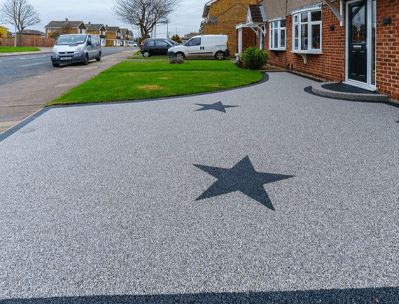
If you have been looking into resin driveways in Hampshire, chances are you have a few questions. How much does it actually cost? Will it hold up through wet winters and summer heat? Is it really as low maintenance as everyone says? These are fair concerns, and they deserve straight answers before you spend a penny.
Resin has become one of the most sought after driveway surfaces across the UK, and homeowners in Hampshire are choosing it more than ever. It looks sleek, handles drainage well, and does not demand constant upkeep.
But understanding the full picture before committing makes all the difference. This guide breaks down everything you need to know about resin driveways in Hampshire, from costs and benefits to the full installation process, so you can decide with confidence.
Why Homeowners in Hampshire Are Choosing Resin
Hampshire properties come in all shapes, from period cottages to modern new builds. Resin bound surfaces work well with almost all of them.
The finish is created by mixing natural aggregate stones with a clear resin binder, which is then hand-trowelled over a prepared base. The result is a smooth, seamless, slip-resistant surface available in dozens of colours and textures.
One of the standout features is permeability. Resin bound surfaces let rainwater drain straight through, which means no puddles forming and usually no need for a separate drainage channel. This makes them fully SUDS-compliant, which is a practical advantage in Hampshire where heavy rainfall is common.
If you want to understand why this matters so much, the article on proper drainage explains how it protects your surface over time. It also means the surface is typically compliant with planning regulations for paved front gardens over five square metres, so you can skip the planning permission paperwork in most cases.
Beyond drainage, resin is popular because it resists weed growth, cleans up easily, and does not crack or fade under normal use. It is also an eco-friendly option since the permeable surface allows water to return to the ground naturally rather than overwhelming storm drains.
For homeowners who want a driveway that looks good without needing constant attention, it delivers on all fronts. Understanding how a new surface can improve your outdoor space goes beyond appearance, and the guide on enhancing functionality covers this in more detail.
How Much Do Resin Surfaces Cost?
Cost is usually the first thing people want to know. The honest answer is that it depends on a few factors, including the total area, the condition of the existing base, the type of aggregate you pick, and the amount of groundwork required.
As a general guide, most resin bound driveways sit somewhere between £40 and £70 per square metre. For a standard two-car driveway of around 40 to 50 square metres, that puts the total cost at roughly £2,000 to £3,500. Prices can climb higher if the base needs major preparation or if you go with a premium stone blend.
Compared to other surfaces, resin sits in a similar bracket to block paving and often comes in lower than natural stone. When you account for the minimal maintenance costs over the years, many homeowners find that resin driveways in Hampshire offer strong long-term value.
If you are weighing up different surface types, it helps to choose materials that suit your budget and the character of your property.
Key Benefits Worth Knowing
There is a reason resin keeps growing in popularity across the county. Here is what makes it a smart investment for Hampshire homes.
Low Maintenance
A resin driveway needs very little day-to-day care. The odd sweep and a rinse with a hose is usually enough. There are no joints where weeds can push through, and the surface resists moss and algae better than many traditional alternatives.
For practical upkeep advice throughout the year, take a look at these seasonal maintenance tips to keep your surface in top shape.
Long Lasting Durability
A properly installed resin bound surface can last anywhere from 15 to 25 years. It is resistant to cracking and fading thanks to UV stability, and the slight flexibility in the material allows it to handle minor ground movement without breaking apart. This is especially useful on Hampshire properties where clay-heavy soil is common.
Attractive Finish
The choice of colours and finishes is huge. Whether you lean towards a warm golden look, natural gravel tones, or something more modern, resin gives you the freedom to create a bespoke look that complements your home’s style. The smooth, even surface also creates a clean, premium feel that lifts overall curb appeal.
Built In Drainage
As mentioned, resin bound surfaces are fully permeable and eco-friendly. Water passes through the surface rather than pooling on top, which reduces the risk of ice patches in colder months and generally means you will not need planning permission.
For Hampshire homeowners dealing with heavy rain, this is a genuine benefit of resin driveways. Hampshire weather can be unpredictable, so having a surface that handles water naturally saves you hassle in the long run.
What Happens During Installation?
Knowing what to expect helps you plan properly. Resin driveway installation typically moves through three main stages.

Ground Preparation
The existing surface is assessed first. If the current base is in solid condition, resin can sometimes be laid directly on top. If not, the old surface is removed and a new sub-base of compacted stone is put down.
This step is critical because a poor foundation leads to sinking and cracking later. For a closer look at what preparation involves, the article on how to prepare your property is worth a read.
Laying the Surface
Once the base is ready, the resin and aggregate mix is applied by hand using trowels. It needs to be spread evenly at the right thickness, usually around 15 to 18mm. The edges are finished carefully to create a clean border.
This stage is where the skill of the installer really shows, and it is one of the reasons resin driveways across Hampshire are best left to experienced professionals rather than attempted as a DIY project.
Curing Time
After the surface is laid, it needs time to set. Curing generally takes between 4 and 8 hours depending on temperature and humidity. You should keep all foot and vehicle traffic off the area during this period. Full use is normally possible within 24 hours. The blog on what to expect during installation walks through each phase in more detail.
Things to Think About Before You Start
A few practical points are worth considering before you go ahead.
The state of your current driveway matters. If the existing surface is badly cracked or uneven, be prepared for extra costs to get the groundwork right. A good installer will always inspect the base properly before giving you a final quote.
Weather plays a role in timing too. Resin should not be laid during heavy rain or freezing conditions, so the window between spring and autumn is generally best for scheduling work. This is something that makes planning for resin driveways in Hampshire a bit seasonal, but the results are well worth the wait.
Colour choice is another thing to think about carefully. Lighter shades tend to show tyre marks more easily, while darker tones stay looking cleaner for longer. Always ask for physical samples before locking in your decision.
For Hampshire homeowners looking for reliable local advice, testvalleydrivewayslimited.com has over 15 years of experience installing driveways across Southampton, Winchester, Salisbury, Romsey, and surrounding areas.
They are accredited with Checkatrade, the Guild of Master Craftsmen, and the Federation of Master Builders, with all work backed by an insurance-backed 10-year guarantee.
Frequently Asked Questions (FAQs)
1. How Long Does a Resin Driveway Typically Last?
A well-installed resin driveway can last between 15 and 25 years. The lifespan depends on the quality of materials, how well the base was prepared, and how much general wear the surface sees. Light cleaning every now and then helps keep it in good shape.
2. Do You Need Planning Permission for Resin Driveways in Hampshire?
In most cases, no. Resin bound surfaces are permeable and SUDS-compliant, so they usually fall under permitted development rights without needing formal planning approval. That said, if your project changes access to a road or sits near a listed building, check with your local council to be safe.
3. Can Resin Be Applied Over an Existing Surface?
Yes, resin can often go straight over concrete or tarmac as long as the existing base is structurally sound. If the surface underneath is cracked, uneven, or unstable, it will need to be repaired or replaced before the resin is applied.
4. Is Resin a Good Option for Sloped Driveways?
Resin works well on gentle slopes. Its slightly textured finish provides solid grip for both vehicles and pedestrians. For steeper gradients, extra attention to drainage and edging may be needed to make sure the surface stays stable over time.
5. When Is the Best Time to Have Resin Laid?
Dry weather with temperatures above 5°C gives the best results. In Hampshire, that typically means scheduling between late spring and early autumn. Rain and frost can interfere with the curing process, so timing your project carefully makes a real difference.




