
A resin driveway is more than just a practical solution for parking; it’s a stylish and durable addition to your home. In Test Valley, where homeowners take pride in both their properties and the surrounding natural beauty, a well-maintained resin driveway can significantly enhance curb appeal. Resin driveways are known for their smooth finish, resistance to weeds, and ease of maintenance, but they still require care to keep them looking their best. This comprehensive guide covers essential maintenance tips and best practices to ensure your resin driveway remains in top condition for years to come.
What is a Resin Driveway?
Understanding Resin Driveways
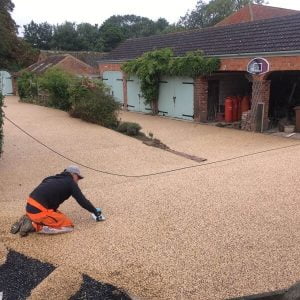
Resin driveways are made from a blend of natural or recycled aggregate stones and resin. The resin binds the stones together, creating a strong, durable surface that is both attractive and functional. This type of driveway is popular for its seamless appearance, low maintenance, and resistance to common issues like weed growth and cracking.
Resin driveways are available in various finishes and colors, allowing homeowners to customize their driveways to match their property’s style. The flexibility in design and the practical benefits of resin make it a popular choice in Test Valley, where aesthetic appeal and durability are highly valued.
Benefits of Resin Driveways
Resin driveways offer numerous advantages that contribute to their popularity:
- Durability: The resin binds aggregate stones together, creating a robust surface that can withstand heavy traffic and harsh weather conditions.
- Aesthetic Appeal: Resin driveways provide a clean, smooth finish with various design options, enhancing the visual appeal of your property.
- Low Maintenance: Resin surfaces are resistant to weeds and require minimal upkeep compared to other types of driveways.
- Porosity: The permeable nature of resin driveways allows rainwater to drain through the surface, reducing the risk of puddles and erosion.
Regular Cleaning
Routine Maintenance
Regular cleaning is essential to keep your resin driveway looking fresh and to prevent the buildup of dirt and debris. Start by sweeping the surface regularly to remove loose leaves, dust, and other debris. Using a broom with soft bristles helps avoid scratching the resin surface.
For a deeper clean, use a mild detergent mixed with warm water. Apply the solution with a brush or sponge, scrubbing gently to lift dirt and grime. Rinse thoroughly with clean water to remove any soap residue. Avoid using harsh chemicals or abrasive cleaners, as these can damage the resin.
Removing Stains
Stains can detract from the appearance of your driveway, but most can be cleaned with the right approach. Common stains include oil, food, and rust. For oil stains, sprinkle some absorbent material like cat litter or sawdust on the stain, let it sit for a few hours, and then sweep it away. Clean the area with warm, soapy water and a brush.
Food stains can usually be removed with a mild detergent and water. Rust stains may require a specific rust remover designed for resin surfaces. Always test any cleaning product in a small, inconspicuous area before applying it to the entire surface.
Addressing Weeds and Moss
Weed Prevention
One of the advantages of resin driveways is their resistance to weed growth. However, weeds can occasionally appear, especially if the resin is not applied correctly or if there are gaps in the surface. Regularly inspect your driveway for any signs of weed growth.
To prevent weeds from growing, keep the surface clean and free of debris. If you notice any weeds, remove them promptly to prevent them from spreading. A weed killer designed for resin surfaces can be used to treat any persistent problems. Be sure to follow the manufacturer’s instructions to avoid damaging the resin.
Moss Control
Moss can also grow on resin driveways, particularly in shaded or damp areas. To control moss growth, start by brushing off any visible moss with a stiff brush. For persistent moss, apply a moss killer suitable for resin surfaces. Follow the product instructions carefully and ensure the area is well-ventilated during treatment.
Preventing moss growth involves keeping the surface clean and ensuring proper drainage. Trimming back any overhanging branches or foliage can help reduce shade and moisture, making the conditions less favorable for moss.
Dealing with Cracks and Damage
Identifying Common Issues
Although resin driveways are designed to be durable, cracks and damage can occur due to factors such as ground movement, heavy loads, or poor installation. Common issues include small cracks, uneven surfaces, and patches of discoloration.
Regular inspections of your driveway can help identify any signs of damage early. Look for cracks, depressions, or areas where the resin appears to be peeling or discolored. Addressing these issues promptly can prevent them from worsening and causing more significant problems.
Repairing Small Cracks
Small cracks in resin driveways can often be repaired using a resin repair kit. These kits typically include a resin compound and a hardener. Clean the area around the crack thoroughly and ensure it is dry before applying the resin mixture. Fill the crack with the compound, smooth it out with a spatula, and allow it to cure according to the manufacturer’s instructions.
For larger cracks or more significant damage, it may be necessary to consult a professional for repair. A specialist can assess the damage and recommend the appropriate repair methods to ensure a seamless and long-lasting result.
Maintaining Drainage
Importance of Proper Drainage
Effective drainage is crucial for the longevity of your resin driveway. Resin driveways are designed to be permeable, allowing rainwater to drain through the surface. Proper drainage helps prevent water pooling and reduces the risk of erosion or damage.
Ensure that the surface of your driveway remains level and free from obstructions that could impede drainage. If you notice any areas where water is pooling or draining poorly, address the issue promptly. It may involve adjusting the slope of the driveway or clearing any blockages in the drainage system.
Checking for Blockages
Regularly check the drainage channels and any adjacent areas for blockages or debris that could affect the flow of water. Clear away leaves, dirt, or other obstructions to maintain optimal drainage. Ensuring that water can flow freely through the surface helps prevent damage and prolongs the lifespan of your driveway.
Enhancing the Longevity of Your Resin Driveway
Regular Inspections
Performing regular inspections of your resin driveway is essential for identifying any potential issues before they become major problems. Check for signs of wear, such as fading or surface damage, and address them promptly. Regular inspections also help ensure that the drainage system is functioning correctly and that the surface remains clean and free from debris.
Professional Maintenance
While resin driveways are relatively low-maintenance, professional maintenance can provide added benefits. Periodic inspections and maintenance by a specialist can help identify any underlying issues and ensure that the driveway remains in excellent condition. Professional services can also offer advanced cleaning techniques and repairs that may not be feasible with DIY methods.
Re-Sealing
Re-sealing your resin driveway can help maintain its appearance and protect it from damage. A sealant provides an additional layer of protection against stains, UV rays, and weathering. The frequency of re-sealing depends on factors such as the level of traffic and exposure to the elements. Consult with a professional to determine the appropriate schedule for re-sealing your driveway.
Local Considerations for Test Valley
Climate and Weather
Test Valley’s climate can affect the maintenance and performance of your resin driveway. The area experiences a range of weather conditions, including rain, frost, and occasional heatwaves. Choosing high-quality resin and ensuring proper installation can help your driveway withstand these conditions.
Consider the local climate when planning maintenance tasks. For example, cleaning and repairs may be more effective during dry periods, while frost and freezing temperatures may require special care. Adjust your maintenance schedule to account for seasonal changes and weather patterns.
Local Regulations
Be aware of any local regulations or guidelines related to driveway maintenance in Test Valley. Ensuring that your maintenance practices comply with local standards helps avoid potential issues and ensures that your driveway remains in good standing with any relevant authorities.
Conclusion
Maintaining your resin driveway in Test Valley ensures it remains an attractive and durable asset to your home. Regular cleaning, addressing stains, and managing weeds and moss are key to preserving its appearance and functionality. Proper drainage and timely repairs are essential to prevent long-term issues. Test Valley Driveways, based in Southampton, offers expert advice and services tailored to the unique needs of the area. By following these maintenance tips or consulting with local professionals, you can extend the lifespan of your driveway and keep it looking its best year-round. Trusting experts ensures your driveway remains a valuable part of your home.